



%20copy.webp)

Suivez-nous sur Instagram
Plus qu'une entreprise de plein air.

@sawyerproducts
Follow us on Instagram

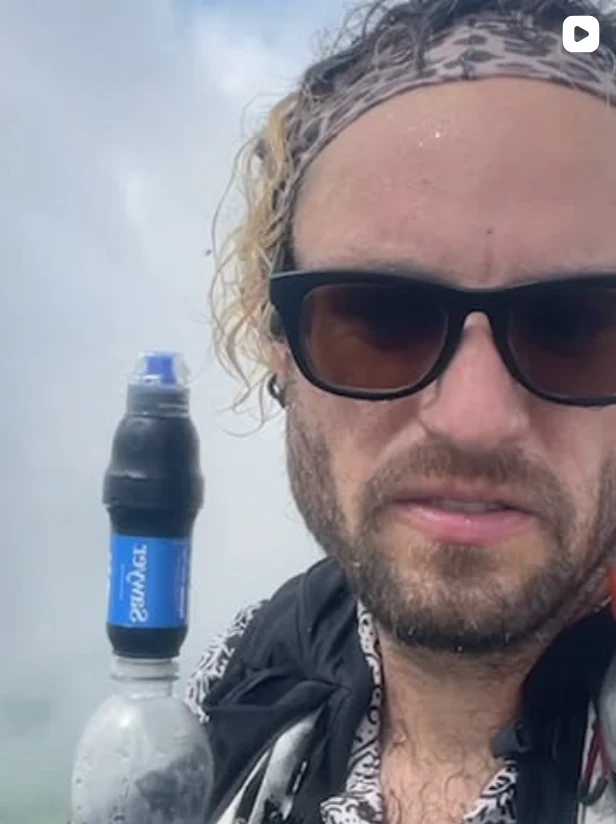

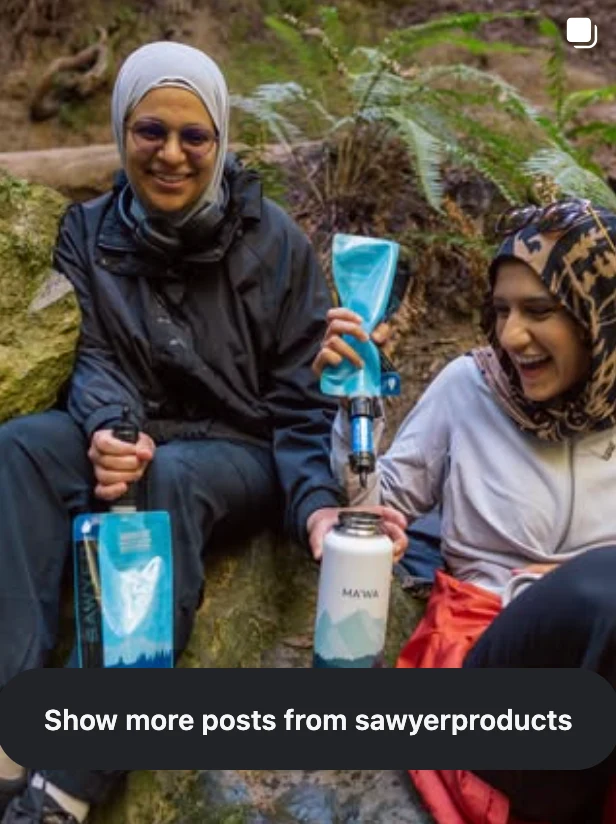
Solo hiking is about toughness and independence, but also much more. See what other important lessons Kendra gets out of hitting the trail on her own.
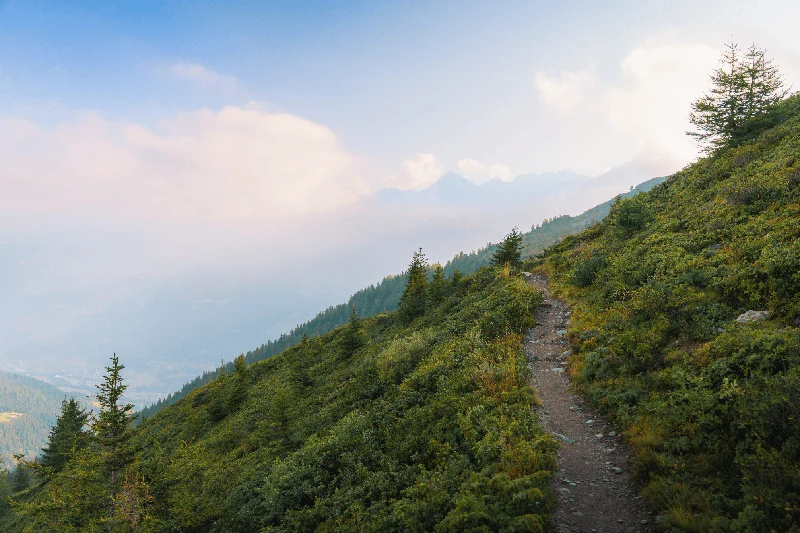
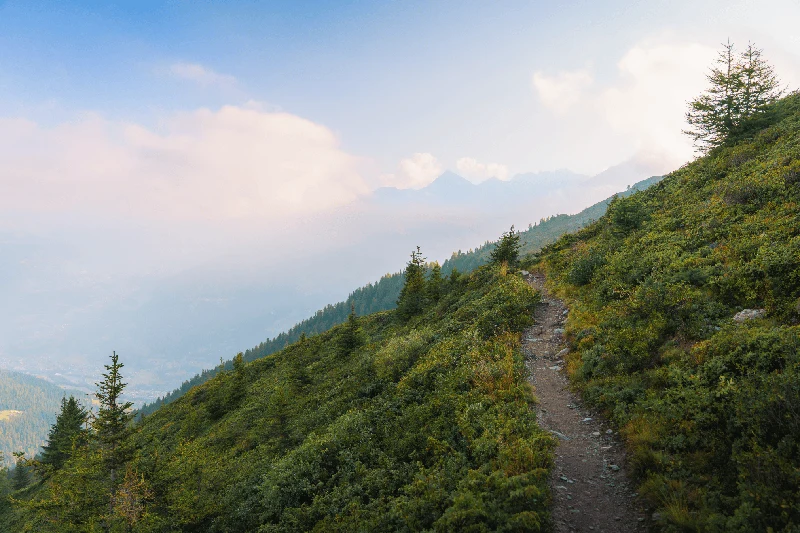
Watch videoI was hiking a lonely section of trail—or at least what I hoped was the trail. It hadn’t looked walked in a while. The path was faint, grass slowly reclaiming it, pulling it back into the hillside. This stretch of the Grand Tour des Combins felt lonely, almost isolating. I hadn’t seen another person all day. As I climbed toward an exposed scree field, I kept questioning whether I was still on the right route or had wandered off without realizing.
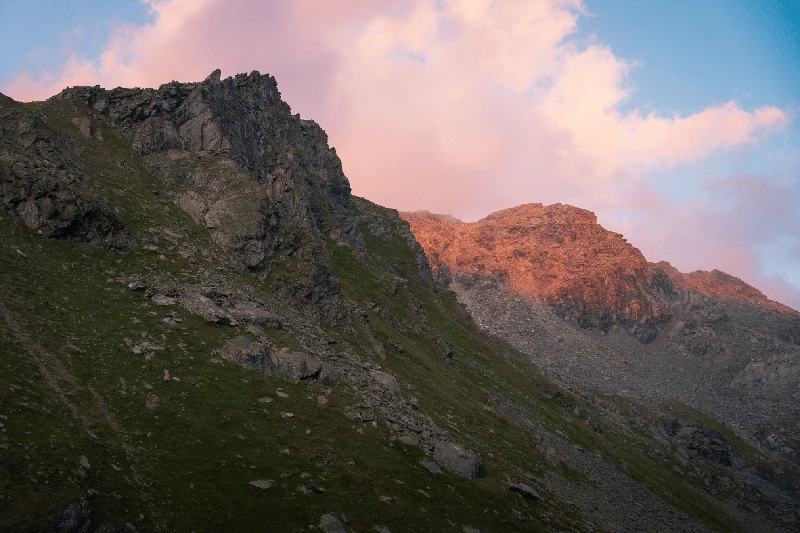
But this faint trail was the only logical way to reach the hut I was aiming for that night, so I kept moving. The higher I climbed, the sketchier the terrain felt—boulders scattered wildly, some solid underfoot, others separated by dark gaps so deep I couldn’t see the bottom. With a pack heavy from nine days of essentials and film gear, every step felt calculated. I couldn’t tell if my heart was racing from effort or the quiet thread of nerves that came from moving across uncertain ground.
When I finally reached the top of the pass, a weathered sign pointed toward my hut: three hours away.
Relief washed over me. I wasn’t afraid, exactly—just intensely alert. Aware of my surroundings, already running through plans B, C, and D in case the trail ahead didn’t unfold the way I expected.
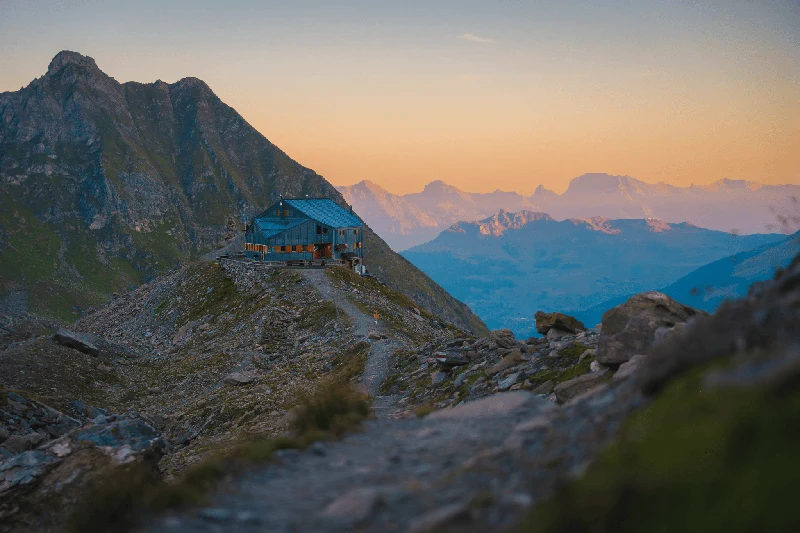
But the most exhilarating part of this experience? I navigated it alone, without anyone else’s opinions, doubts, or worry shaping my judgment.
It’s moments like that—when preparation meets instinct and awareness becomes confidence—that makes me feel alive in the backcountry.

That moment on the pass made me think about the question I get every single time I plan a solo trip:
“You’re going alone?”
It’s almost always asked with kindness, but for women, the implication is clear: being alone is risky, unwise, and something we need protection from.
But backcountry safety has never been about having someone next to you. It’s about clarity, awareness, and decisions made from a place of competence rather than fear.
When I hike solo, I’m not out there to prove anything: I’m out there because I trust myself and we refuse to let fear define the boundaries of my experiences. Because for women, being alone in the mountains doesn’t make us vulnerable—it makes us sharp.

And that sharpness doesn’t just appear on the trail. It starts long before you take a single step, shaped by preparation that makes independence feel expansive rather than risky.
People often think preparedness is a checklist—gear sorted, batteries charged, GPX maps downloaded. And yes, all of that matters. But genuine preparedness is more layered than items in a pack. It’s how you think, plan, adapt, and respond long before anything becomes a problem.
It’s studying the weather before committing to a pass.
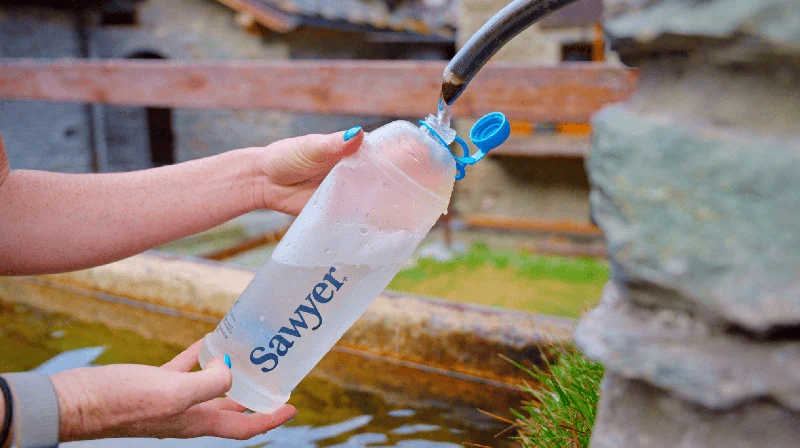
It’s knowing where your next water source is so you don’t ration out of fear.
It’s understanding when to push and when to pause because you respect the terrain.
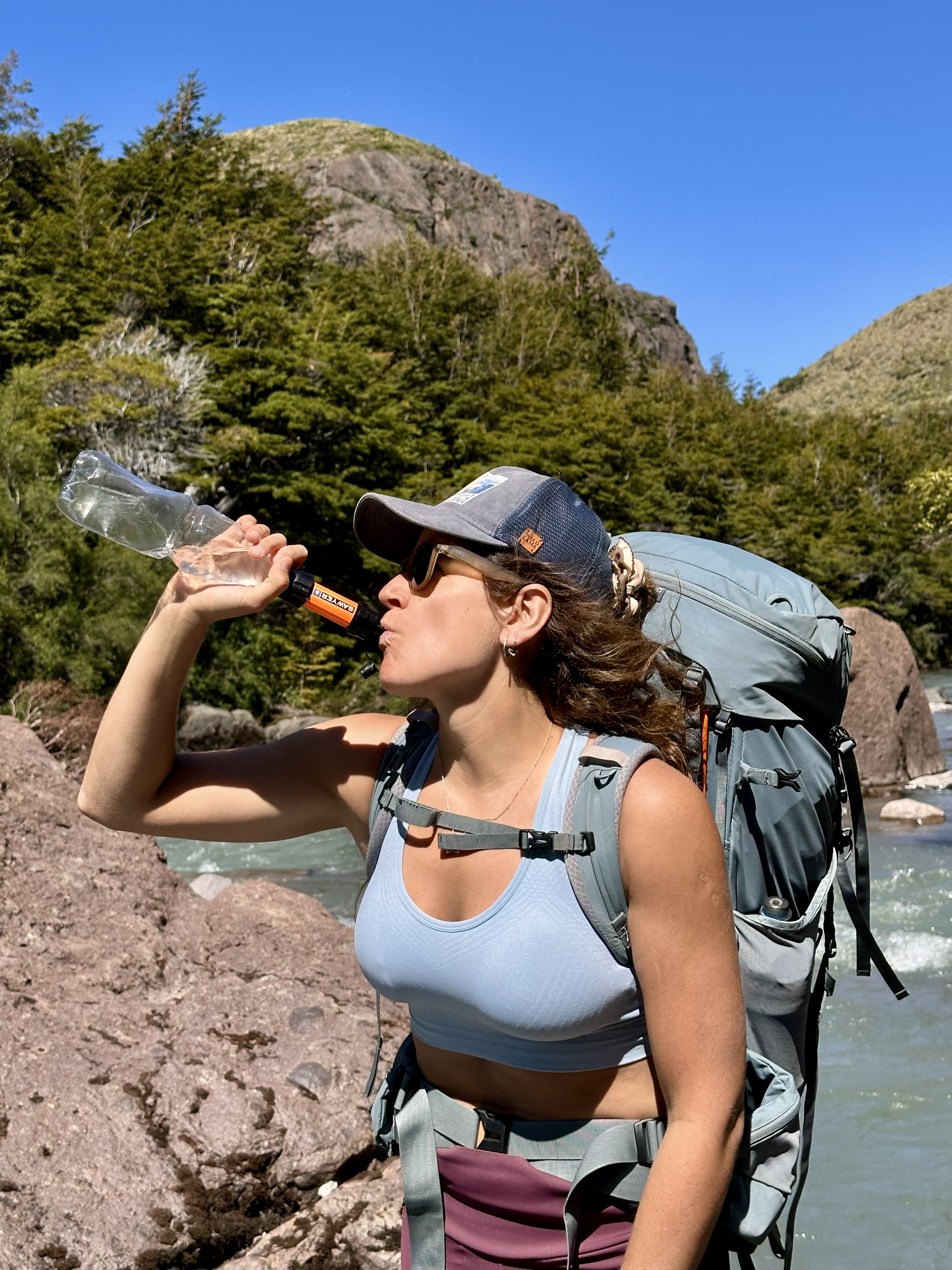
It’s the filtration system you trust, the route notes you actually read, the thousand small micro-decisions that shape your day.
And to be clear, preparedness isn’t about eliminating uncertainty; rather, it’s about being ready for it.
Preparedness sharpens your instincts, steadies your judgment, and gives you the confidence to move through terrain that demands your full attention.
People love the idea of the fearless solo female hiker, as if courage is a prerequisite rather than something you grow into.
But fearlessness has never been my goal. Fear is information. It’s the thing that tells me to slow down, to reassess, and to look closer. Preparedness is what turns that information into clarity instead of panic.
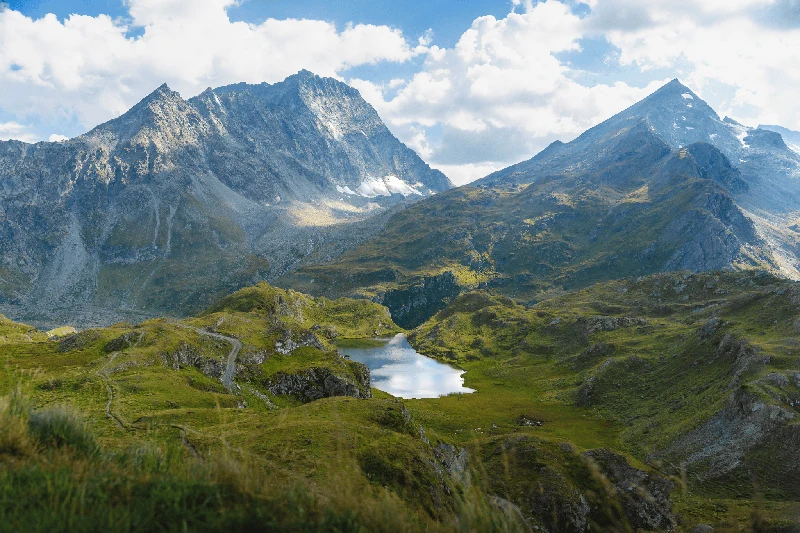
I like to think solo female hikers aren’t fearless––we’re practiced. We’ve learned to trust our instincts, to build systems that support us, and to move through uncertainty without handing over our power. In doing so, the mountains remain as they are, and we learn to meet them with steadier judgment.
When I think back to that faint line of trail disappearing into boulder fields, I don’t remember fear. Instead, I remember my focus: the exact weight of my pack, the wind shifting on the ridge, the quiet scan of the route ahead.
I wasn’t relieved because I’d escaped the feeling (and perhaps the potential reality) of danger; I was relieved because I navigated it with intention and clarity.
That’s the part of solo hiking people don’t always see—it's not about toughness or independence, but about the deeply personal relationship you build with yourself in the absence of other voices.
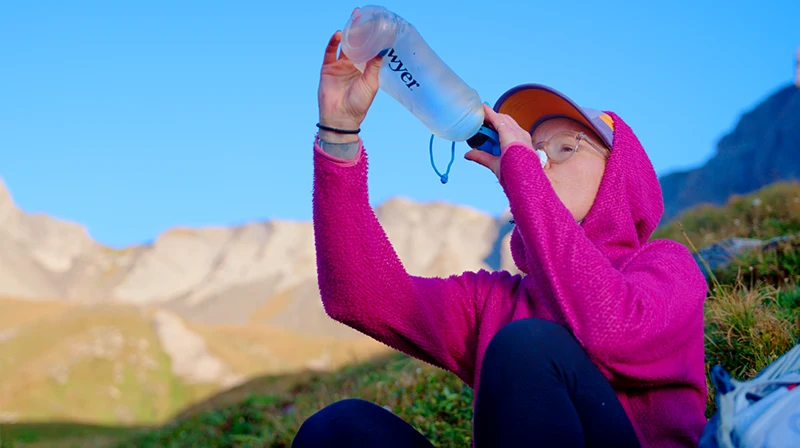
That belief is woven through my film, The 5 Stages of a (Female) Solo Hike, shot along the Grand Tour des Combins and shaped by these moments of solitude, judgment, and self-trust.
If you’d like to take a deeper look into my journey—and what it looks like to embrace the trail on your own terms—you can watch the film here.


I was hiking a lonely section of trail—or at least what I hoped was the trail. It hadn’t looked walked in a while. The path was faint, grass slowly reclaiming it, pulling it back into the hillside. This stretch of the Grand Tour des Combins felt lonely, almost isolating. I hadn’t seen another person all day. As I climbed toward an exposed scree field, I kept questioning whether I was still on the right route or had wandered off without realizing.
But this faint trail was the only logical way to reach the hut I was aiming for that night, so I kept moving. The higher I climbed, the sketchier the terrain felt—boulders scattered wildly, some solid underfoot, others separated by dark gaps so deep I couldn’t see the bottom. With a pack heavy from nine days of essentials and film gear, every step felt calculated. I couldn’t tell if my heart was racing from effort or the quiet thread of nerves that came from moving across uncertain ground.
When I finally reached the top of the pass, a weathered sign pointed toward my hut: three hours away.
Relief washed over me. I wasn’t afraid, exactly—just intensely alert. Aware of my surroundings, already running through plans B, C, and D in case the trail ahead didn’t unfold the way I expected.
But the most exhilarating part of this experience? I navigated it alone, without anyone else’s opinions, doubts, or worry shaping my judgment.
It’s moments like that—when preparation meets instinct and awareness becomes confidence—that makes me feel alive in the backcountry.
That moment on the pass made me think about the question I get every single time I plan a solo trip:
“You’re going alone?”
It’s almost always asked with kindness, but for women, the implication is clear: being alone is risky, unwise, and something we need protection from.
But backcountry safety has never been about having someone next to you. It’s about clarity, awareness, and decisions made from a place of competence rather than fear.
When I hike solo, I’m not out there to prove anything: I’m out there because I trust myself and we refuse to let fear define the boundaries of my experiences. Because for women, being alone in the mountains doesn’t make us vulnerable—it makes us sharp.
And that sharpness doesn’t just appear on the trail. It starts long before you take a single step, shaped by preparation that makes independence feel expansive rather than risky.
People often think preparedness is a checklist—gear sorted, batteries charged, GPX maps downloaded. And yes, all of that matters. But genuine preparedness is more layered than items in a pack. It’s how you think, plan, adapt, and respond long before anything becomes a problem.
It’s studying the weather before committing to a pass.
It’s knowing where your next water source is so you don’t ration out of fear.
It’s understanding when to push and when to pause because you respect the terrain.
It’s the filtration system you trust, the route notes you actually read, the thousand small micro-decisions that shape your day.
And to be clear, preparedness isn’t about eliminating uncertainty; rather, it’s about being ready for it.
Preparedness sharpens your instincts, steadies your judgment, and gives you the confidence to move through terrain that demands your full attention.
People love the idea of the fearless solo female hiker, as if courage is a prerequisite rather than something you grow into.
But fearlessness has never been my goal. Fear is information. It’s the thing that tells me to slow down, to reassess, and to look closer. Preparedness is what turns that information into clarity instead of panic.
I like to think solo female hikers aren’t fearless––we’re practiced. We’ve learned to trust our instincts, to build systems that support us, and to move through uncertainty without handing over our power. In doing so, the mountains remain as they are, and we learn to meet them with steadier judgment.
When I think back to that faint line of trail disappearing into boulder fields, I don’t remember fear. Instead, I remember my focus: the exact weight of my pack, the wind shifting on the ridge, the quiet scan of the route ahead.
I wasn’t relieved because I’d escaped the feeling (and perhaps the potential reality) of danger; I was relieved because I navigated it with intention and clarity.
That’s the part of solo hiking people don’t always see—it's not about toughness or independence, but about the deeply personal relationship you build with yourself in the absence of other voices.
That belief is woven through my film, The 5 Stages of a (Female) Solo Hike, shot along the Grand Tour des Combins and shaped by these moments of solitude, judgment, and self-trust.
If you’d like to take a deeper look into my journey—and what it looks like to embrace the trail on your own terms—you can watch the film here.
I was hiking a lonely section of trail—or at least what I hoped was the trail. It hadn’t looked walked in a while. The path was faint, grass slowly reclaiming it, pulling it back into the hillside. This stretch of the Grand Tour des Combins felt lonely, almost isolating. I hadn’t seen another person all day. As I climbed toward an exposed scree field, I kept questioning whether I was still on the right route or had wandered off without realizing.
But this faint trail was the only logical way to reach the hut I was aiming for that night, so I kept moving. The higher I climbed, the sketchier the terrain felt—boulders scattered wildly, some solid underfoot, others separated by dark gaps so deep I couldn’t see the bottom. With a pack heavy from nine days of essentials and film gear, every step felt calculated. I couldn’t tell if my heart was racing from effort or the quiet thread of nerves that came from moving across uncertain ground.
When I finally reached the top of the pass, a weathered sign pointed toward my hut: three hours away.
Relief washed over me. I wasn’t afraid, exactly—just intensely alert. Aware of my surroundings, already running through plans B, C, and D in case the trail ahead didn’t unfold the way I expected.
But the most exhilarating part of this experience? I navigated it alone, without anyone else’s opinions, doubts, or worry shaping my judgment.
It’s moments like that—when preparation meets instinct and awareness becomes confidence—that makes me feel alive in the backcountry.
That moment on the pass made me think about the question I get every single time I plan a solo trip:
“You’re going alone?”
It’s almost always asked with kindness, but for women, the implication is clear: being alone is risky, unwise, and something we need protection from.
But backcountry safety has never been about having someone next to you. It’s about clarity, awareness, and decisions made from a place of competence rather than fear.
When I hike solo, I’m not out there to prove anything: I’m out there because I trust myself and we refuse to let fear define the boundaries of my experiences. Because for women, being alone in the mountains doesn’t make us vulnerable—it makes us sharp.
And that sharpness doesn’t just appear on the trail. It starts long before you take a single step, shaped by preparation that makes independence feel expansive rather than risky.
People often think preparedness is a checklist—gear sorted, batteries charged, GPX maps downloaded. And yes, all of that matters. But genuine preparedness is more layered than items in a pack. It’s how you think, plan, adapt, and respond long before anything becomes a problem.
It’s studying the weather before committing to a pass.
It’s knowing where your next water source is so you don’t ration out of fear.
It’s understanding when to push and when to pause because you respect the terrain.
It’s the filtration system you trust, the route notes you actually read, the thousand small micro-decisions that shape your day.
And to be clear, preparedness isn’t about eliminating uncertainty; rather, it’s about being ready for it.
Preparedness sharpens your instincts, steadies your judgment, and gives you the confidence to move through terrain that demands your full attention.
People love the idea of the fearless solo female hiker, as if courage is a prerequisite rather than something you grow into.
But fearlessness has never been my goal. Fear is information. It’s the thing that tells me to slow down, to reassess, and to look closer. Preparedness is what turns that information into clarity instead of panic.
I like to think solo female hikers aren’t fearless––we’re practiced. We’ve learned to trust our instincts, to build systems that support us, and to move through uncertainty without handing over our power. In doing so, the mountains remain as they are, and we learn to meet them with steadier judgment.
When I think back to that faint line of trail disappearing into boulder fields, I don’t remember fear. Instead, I remember my focus: the exact weight of my pack, the wind shifting on the ridge, the quiet scan of the route ahead.
I wasn’t relieved because I’d escaped the feeling (and perhaps the potential reality) of danger; I was relieved because I navigated it with intention and clarity.
That’s the part of solo hiking people don’t always see—it's not about toughness or independence, but about the deeply personal relationship you build with yourself in the absence of other voices.
That belief is woven through my film, The 5 Stages of a (Female) Solo Hike, shot along the Grand Tour des Combins and shaped by these moments of solitude, judgment, and self-trust.
If you’d like to take a deeper look into my journey—and what it looks like to embrace the trail on your own terms—you can watch the film here.
Plus qu'une entreprise de plein air.

