









Suivez-nous sur Instagram
Plus qu'une entreprise de plein air.

@sawyerproducts
Follow us on Instagram






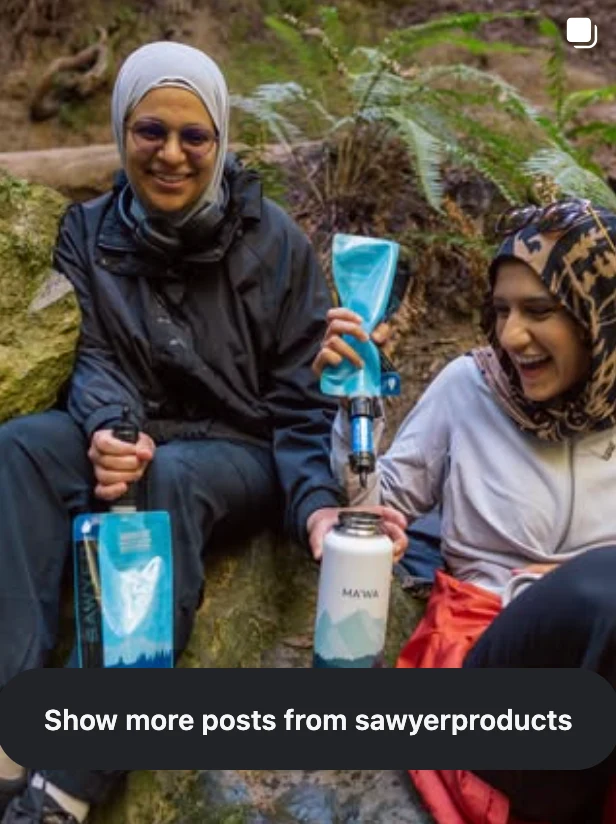

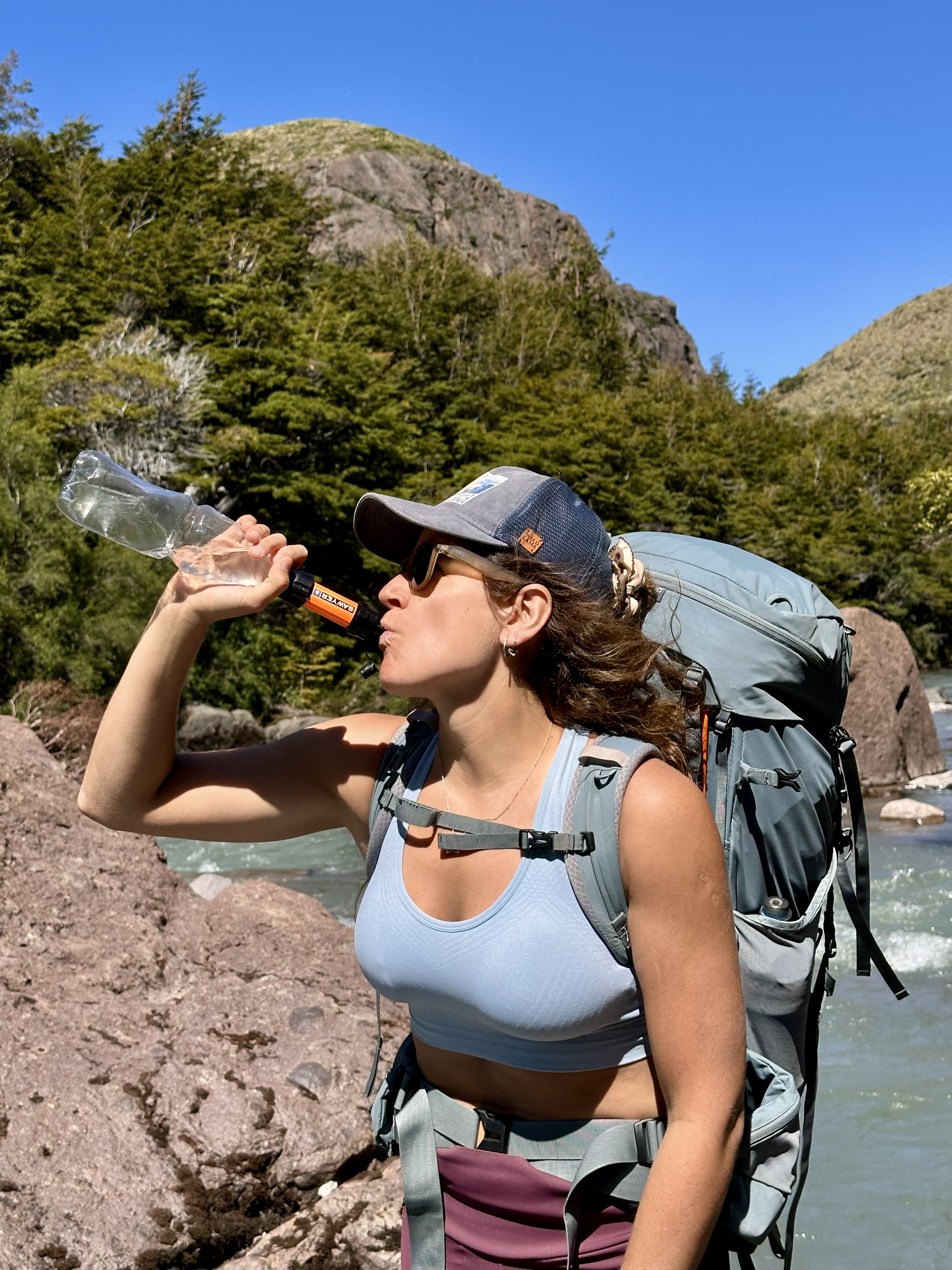
Water treatment is crucial for backpackers. After all, if you’ve put a lot of time and effort into planning a backpacking trip, you presumably will want to stay healthy during it so you can actually enjoy the hike.
Contaminants you’re likely to encounter while backpacking include bacteria such as E. coli and salmonella, protozoa such as cryptosporidium and giardia, and viruses such as rotavirus and norovirus.
There are additional considerations in areas with chemical contamination such as agricultural runoff. You may want to look into an activated carbon filter if this is a concern where you’ll be hiking,but for most long-trails, any of the methods discussed below are sufficient.
In choosing a water treatment method, backpackers must first identify where they’ll be hiking and what contaminants they’re likely to encounter there.
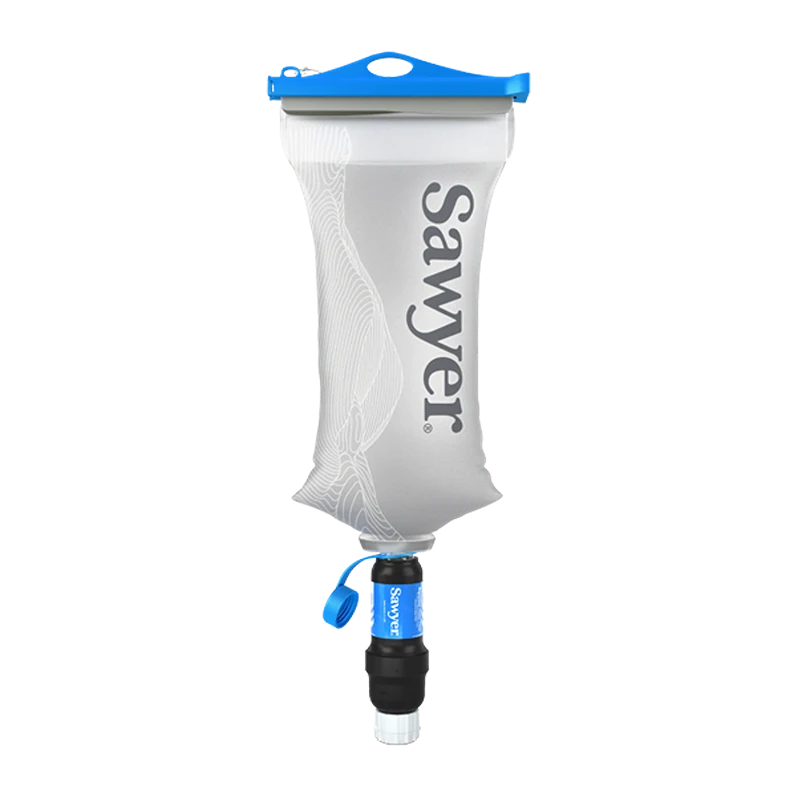
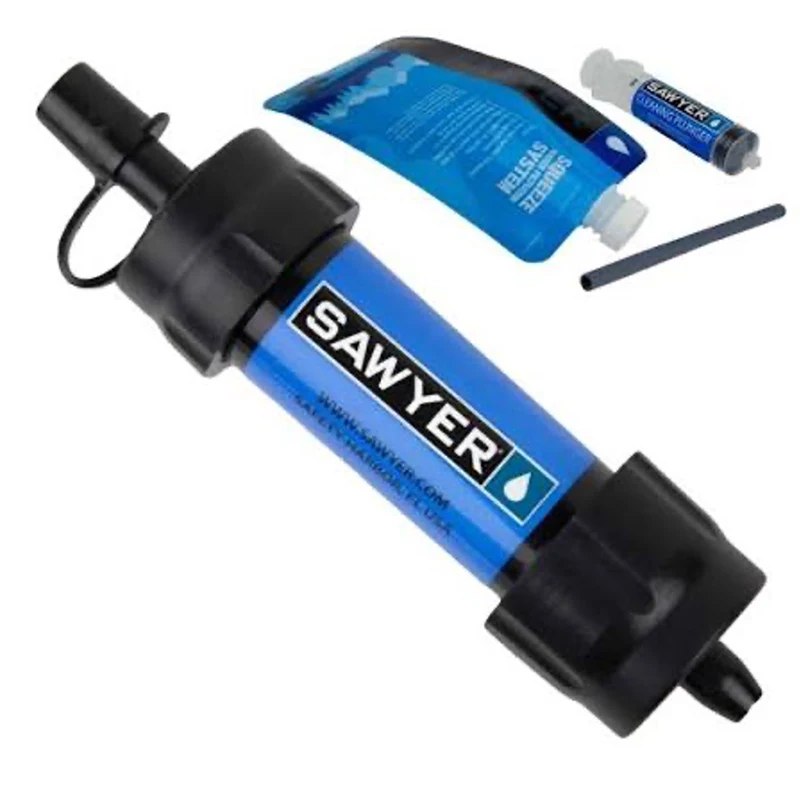
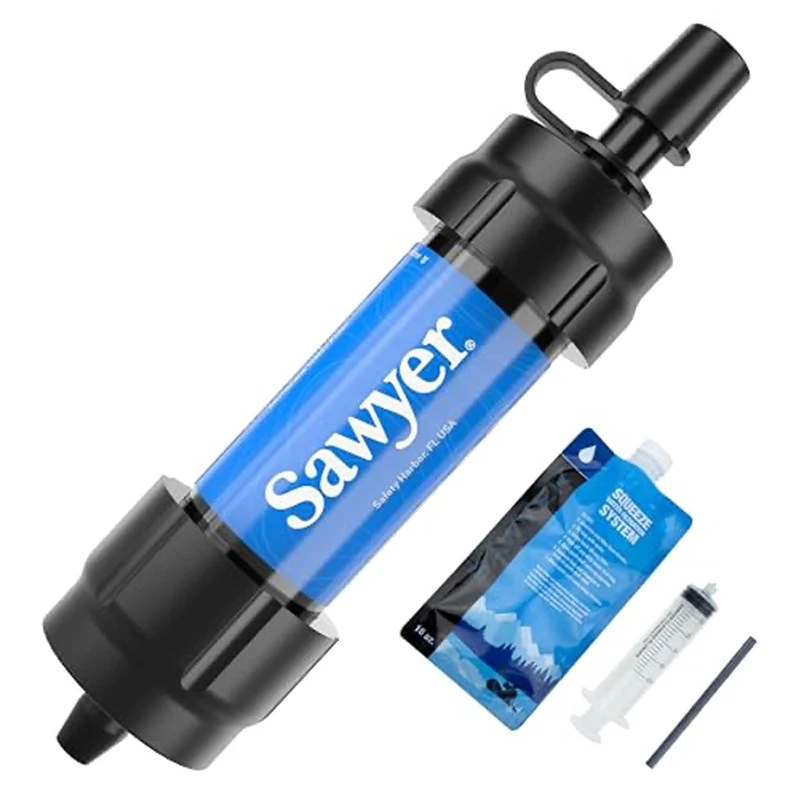
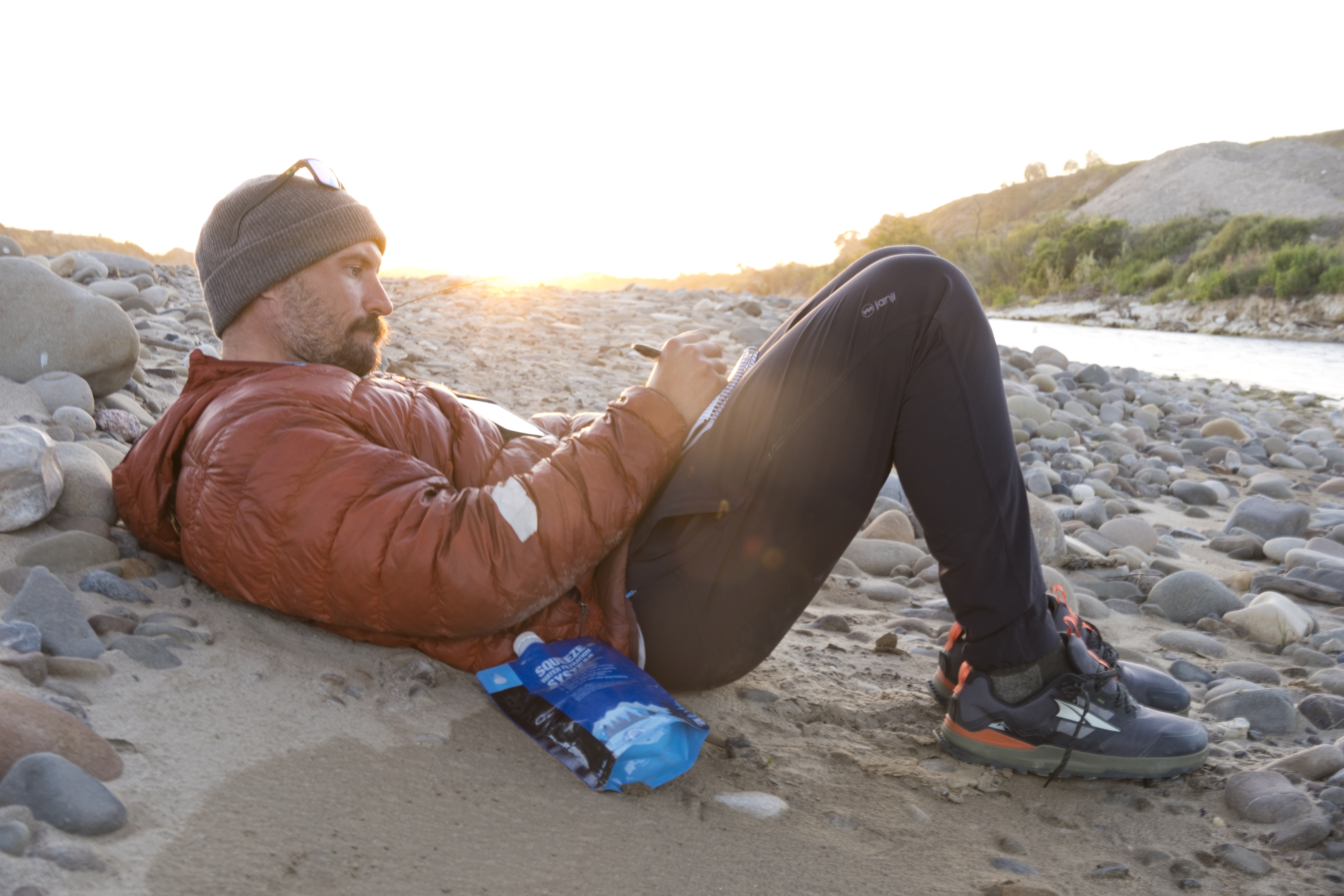
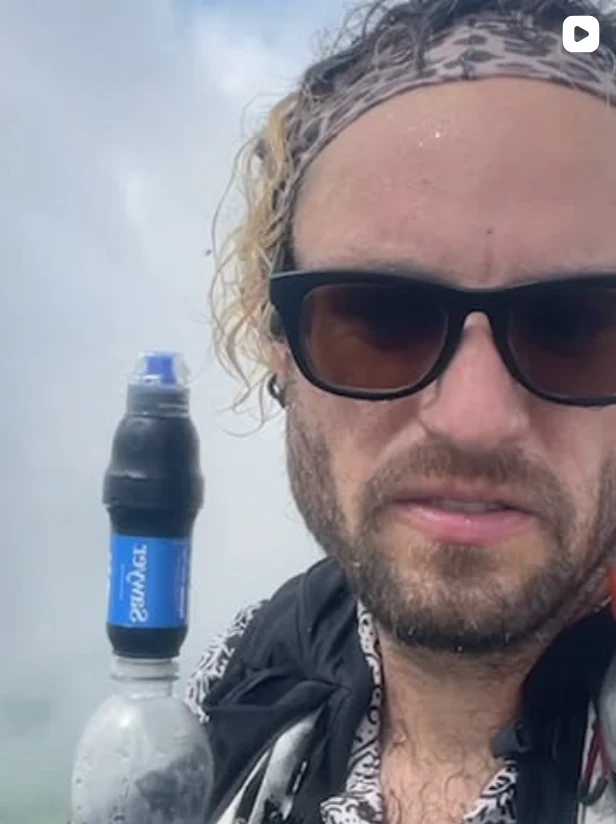
Hollow fiber filters are one of the most popular types of water filtration for thru-hikers and backpackers. In last year’s AT Thru-Hiker Survey, 93 percent of hikers used a mid-size filter such as the Sawyer Squeeze ($40.95) or the Katadyn BeFree ($44.95 for the 1L bladder version). They’re easy to use, lightweight, and relatively inexpensive for solo backpackers or small groups.
Hollow fiber filters work by running water through a tightly packed mesh of tubes with wider openings on the incoming water side than the outgoing water side. The openings on the outgoing water side are small enough to trap contaminants like bacteria and protozoa while allowing water molecules through. They do not filter out anything smaller than those outgoing holes, such as viruses.


Water treatment is crucial for backpackers. After all, if you’ve put a lot of time and effort into planning a backpacking trip, you presumably will want to stay healthy during it so you can actually enjoy the hike.
Contaminants you’re likely to encounter while backpacking include bacteria such as E. coli and salmonella, protozoa such as cryptosporidium and giardia, and viruses such as rotavirus and norovirus.
There are additional considerations in areas with chemical contamination such as agricultural runoff. You may want to look into an activated carbon filter if this is a concern where you’ll be hiking,but for most long-trails, any of the methods discussed below are sufficient.
In choosing a water treatment method, backpackers must first identify where they’ll be hiking and what contaminants they’re likely to encounter there.
Hollow fiber filters are one of the most popular types of water filtration for thru-hikers and backpackers. In last year’s AT Thru-Hiker Survey, 93 percent of hikers used a mid-size filter such as the Sawyer Squeeze ($40.95) or the Katadyn BeFree ($44.95 for the 1L bladder version). They’re easy to use, lightweight, and relatively inexpensive for solo backpackers or small groups.
Hollow fiber filters work by running water through a tightly packed mesh of tubes with wider openings on the incoming water side than the outgoing water side. The openings on the outgoing water side are small enough to trap contaminants like bacteria and protozoa while allowing water molecules through. They do not filter out anything smaller than those outgoing holes, such as viruses.
Water treatment is crucial for backpackers. After all, if you’ve put a lot of time and effort into planning a backpacking trip, you presumably will want to stay healthy during it so you can actually enjoy the hike.
Contaminants you’re likely to encounter while backpacking include bacteria such as E. coli and salmonella, protozoa such as cryptosporidium and giardia, and viruses such as rotavirus and norovirus.
There are additional considerations in areas with chemical contamination such as agricultural runoff. You may want to look into an activated carbon filter if this is a concern where you’ll be hiking,but for most long-trails, any of the methods discussed below are sufficient.
In choosing a water treatment method, backpackers must first identify where they’ll be hiking and what contaminants they’re likely to encounter there.
Hollow fiber filters are one of the most popular types of water filtration for thru-hikers and backpackers. In last year’s AT Thru-Hiker Survey, 93 percent of hikers used a mid-size filter such as the Sawyer Squeeze ($40.95) or the Katadyn BeFree ($44.95 for the 1L bladder version). They’re easy to use, lightweight, and relatively inexpensive for solo backpackers or small groups.
Hollow fiber filters work by running water through a tightly packed mesh of tubes with wider openings on the incoming water side than the outgoing water side. The openings on the outgoing water side are small enough to trap contaminants like bacteria and protozoa while allowing water molecules through. They do not filter out anything smaller than those outgoing holes, such as viruses.
Plus qu'une entreprise de plein air.

