











Suivez-nous sur Instagram
Plus qu'une entreprise de plein air.

@sawyerproducts
Follow us on Instagram









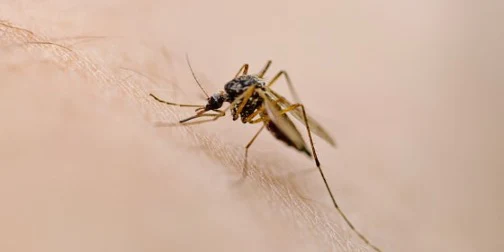
Though timing varies by region and weather, late August and September are prime time for catching the illness.
Watch videoSummer isn’t over yet — and neither is mosquito season, which means you still have a very real chance of catching West Nile virus. In fact, every year, cases of this virus typically peak in late August to early September, according to the Centers for Disease Control and Prevention (CDC). And the rise in cases has already started — in recent weeks, cases have been reported in 24 states, according to the CDC’s tracking website.
“Early data on weather patterns (and surveillance data suggest we may see the highest infection numbers [of West Nile virus] since the early 2000s,” says Dr. Jagdish Khubchandani, a professor of public health at New Mexico State University.
Summer isn’t over yet — and neither is mosquito season, which means you still have a very real chance of catching West Nile virus. In fact, every year, cases of this virus typically peak in late August to early September, according to the Centers for Disease Control and Prevention (CDC). And the rise in cases has already started — in recent weeks, cases have been reported in 24 states, according to the CDC’s tracking website.
“Early data on weather patterns (and surveillance data suggest we may see the highest infection numbers [of West Nile virus] since the early 2000s,” says Dr. Jagdish Khubchandani, a professor of public health at New Mexico State University.
Summer isn’t over yet — and neither is mosquito season, which means you still have a very real chance of catching West Nile virus. In fact, every year, cases of this virus typically peak in late August to early September, according to the Centers for Disease Control and Prevention (CDC). And the rise in cases has already started — in recent weeks, cases have been reported in 24 states, according to the CDC’s tracking website.
“Early data on weather patterns (and surveillance data suggest we may see the highest infection numbers [of West Nile virus] since the early 2000s,” says Dr. Jagdish Khubchandani, a professor of public health at New Mexico State University.
Plus qu'une entreprise de plein air.

