




Suivez-nous sur Instagram
Plus qu'une entreprise de plein air.

@sawyerproducts
Follow us on Instagram








Hiking the Appalachian Trail is a huge undertaking—and in the age of Covid, that could be more true now than it ever has been before. If you’re thinking of hitting the trail next year, here are a few things you should know.
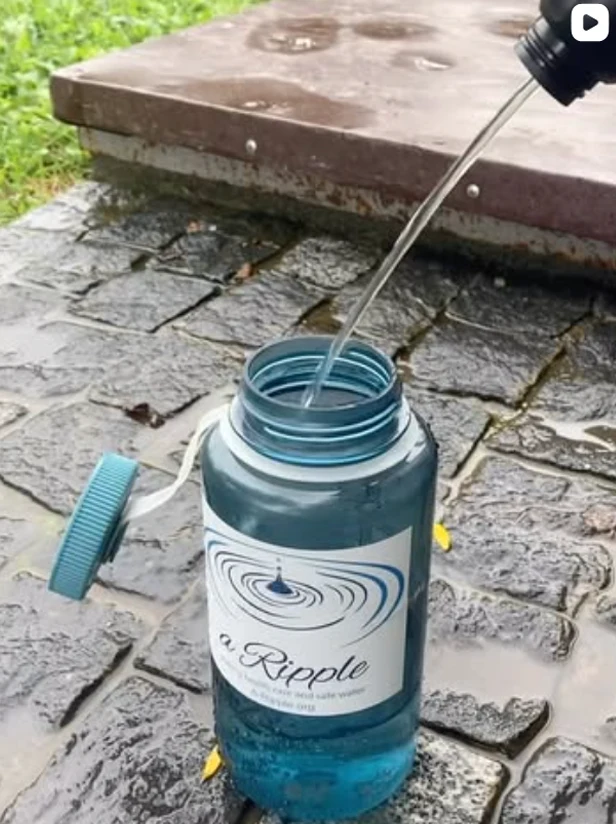
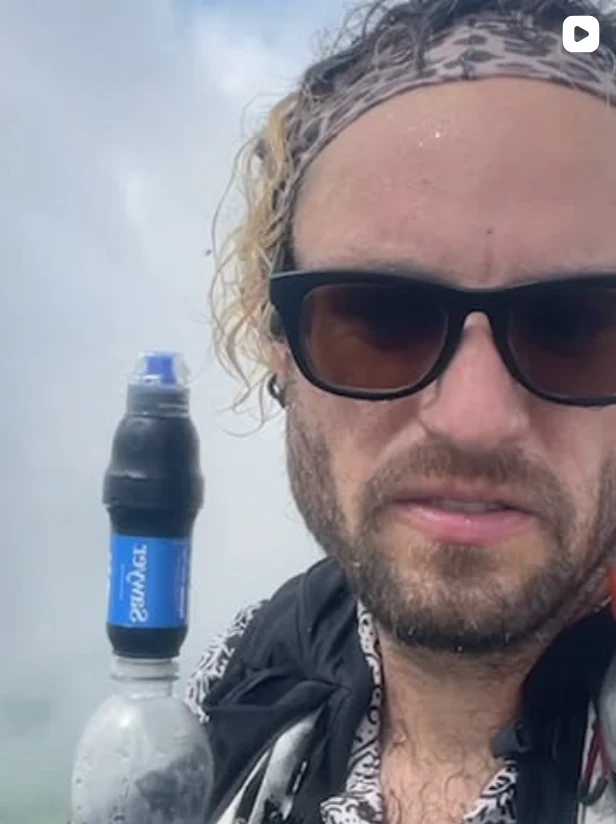
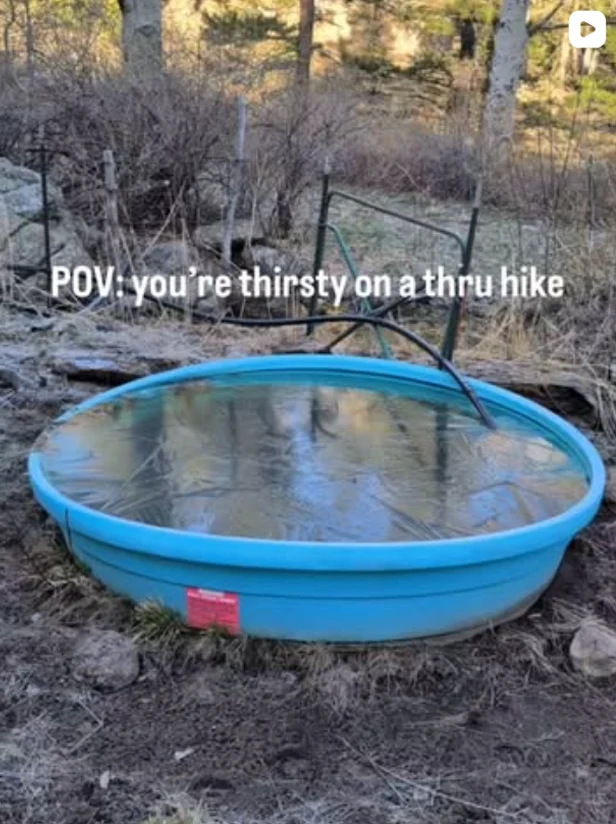
10. You need to treat your water on the AT.
Some hikers don’t treat their water on the AT, but we don’t think it’s worth the risk. It’s difficult to predict whether and how a seemingly pristine water source may have been contaminated. Just saying: we’ve personally seen piles of human shit and toilet paper deposited on a stream bank upstream of where hikers were collecting water. Sadness.
The handful of ounces and extra time you’ll spend treating your water will pay uncountable dividends in avoided pain, sickness, and suffering. A note: make sure you practice clean chemistry when treating water, as just a few contaminated droplets can still sicken you.
Recommended purification methods: Sawyer Squeeze, Aquamira drops, Katadyn BeFree, Katadyn Steripen Ultra.
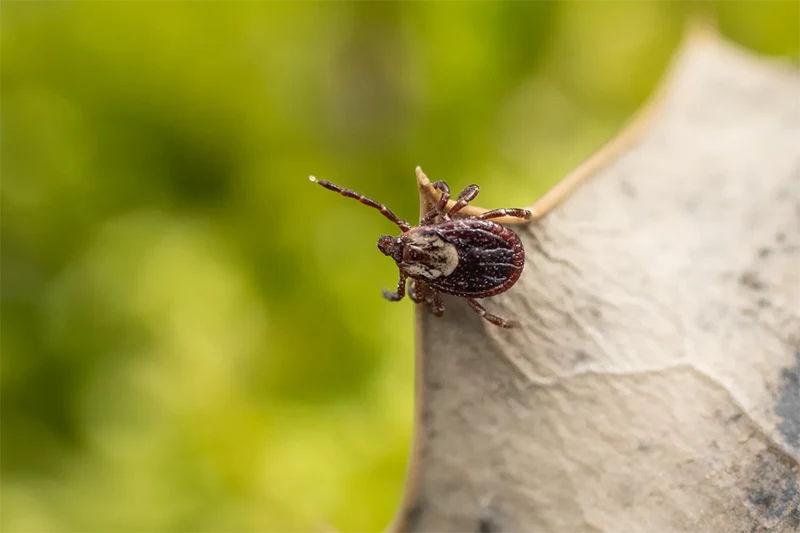
11. Tick-borne diseases occur in every state on the AT.
The AT passes through 10 of the 15 states with the highest incidence of Lyme disease nationwide. That’s why you should treat your clothing and gear with insect-repellent Permethrin and check yourself for ticks regularly. Some hikers ask their doctors for a just-in-case prescription they can fill at a trail town pharmacy if they get bitten (this is a decision you need to make with your physician).
If you get chomped, remove the tick by scraping it off gently with a credit card or tick key, taking care to remove all the mouthparts. Don’t pinch, burn, or suffocate it with petroleum jelly. Monitor the area for signs of a rash of any kind. Remember that not everyone develops the classic bullseye rash that is the hallmark of Lyme.If you get chomped, remove the tick by scraping it off gently with a credit card or tick key, taking care to remove all the mouthparts. Don’t pinch, burn, or suffocate it with petroleum jelly. Monitor the area for signs of a rash of any kind. Remember that not everyone develops the classic bullseye rash that is the hallmark of Lyme.
Find the complete list of things you need to know written by Kelly Floro here.


Hiking the Appalachian Trail is a huge undertaking—and in the age of Covid, that could be more true now than it ever has been before. If you’re thinking of hitting the trail next year, here are a few things you should know.
10. You need to treat your water on the AT.
Some hikers don’t treat their water on the AT, but we don’t think it’s worth the risk. It’s difficult to predict whether and how a seemingly pristine water source may have been contaminated. Just saying: we’ve personally seen piles of human shit and toilet paper deposited on a stream bank upstream of where hikers were collecting water. Sadness.
The handful of ounces and extra time you’ll spend treating your water will pay uncountable dividends in avoided pain, sickness, and suffering. A note: make sure you practice clean chemistry when treating water, as just a few contaminated droplets can still sicken you.
Recommended purification methods: Sawyer Squeeze, Aquamira drops, Katadyn BeFree, Katadyn Steripen Ultra.
11. Tick-borne diseases occur in every state on the AT.
The AT passes through 10 of the 15 states with the highest incidence of Lyme disease nationwide. That’s why you should treat your clothing and gear with insect-repellent Permethrin and check yourself for ticks regularly. Some hikers ask their doctors for a just-in-case prescription they can fill at a trail town pharmacy if they get bitten (this is a decision you need to make with your physician).
If you get chomped, remove the tick by scraping it off gently with a credit card or tick key, taking care to remove all the mouthparts. Don’t pinch, burn, or suffocate it with petroleum jelly. Monitor the area for signs of a rash of any kind. Remember that not everyone develops the classic bullseye rash that is the hallmark of Lyme.If you get chomped, remove the tick by scraping it off gently with a credit card or tick key, taking care to remove all the mouthparts. Don’t pinch, burn, or suffocate it with petroleum jelly. Monitor the area for signs of a rash of any kind. Remember that not everyone develops the classic bullseye rash that is the hallmark of Lyme.
Find the complete list of things you need to know written by Kelly Floro here.
Hiking the Appalachian Trail is a huge undertaking—and in the age of Covid, that could be more true now than it ever has been before. If you’re thinking of hitting the trail next year, here are a few things you should know.
10. You need to treat your water on the AT.
Some hikers don’t treat their water on the AT, but we don’t think it’s worth the risk. It’s difficult to predict whether and how a seemingly pristine water source may have been contaminated. Just saying: we’ve personally seen piles of human shit and toilet paper deposited on a stream bank upstream of where hikers were collecting water. Sadness.
The handful of ounces and extra time you’ll spend treating your water will pay uncountable dividends in avoided pain, sickness, and suffering. A note: make sure you practice clean chemistry when treating water, as just a few contaminated droplets can still sicken you.
Recommended purification methods: Sawyer Squeeze, Aquamira drops, Katadyn BeFree, Katadyn Steripen Ultra.
11. Tick-borne diseases occur in every state on the AT.
The AT passes through 10 of the 15 states with the highest incidence of Lyme disease nationwide. That’s why you should treat your clothing and gear with insect-repellent Permethrin and check yourself for ticks regularly. Some hikers ask their doctors for a just-in-case prescription they can fill at a trail town pharmacy if they get bitten (this is a decision you need to make with your physician).
If you get chomped, remove the tick by scraping it off gently with a credit card or tick key, taking care to remove all the mouthparts. Don’t pinch, burn, or suffocate it with petroleum jelly. Monitor the area for signs of a rash of any kind. Remember that not everyone develops the classic bullseye rash that is the hallmark of Lyme.If you get chomped, remove the tick by scraping it off gently with a credit card or tick key, taking care to remove all the mouthparts. Don’t pinch, burn, or suffocate it with petroleum jelly. Monitor the area for signs of a rash of any kind. Remember that not everyone develops the classic bullseye rash that is the hallmark of Lyme.
Find the complete list of things you need to know written by Kelly Floro here.
Plus qu'une entreprise de plein air.

