










Suivez-nous sur Instagram
Plus qu'une entreprise de plein air.

@sawyerproducts
Follow us on Instagram










QUESTION: What mosquito repellents are safe for kids? I seem to remember that you have written about problems with DEET.
Watch videoQUESTION: What mosquito repellents are safe for kids? I seem to remember that you have written about problems with DEET.
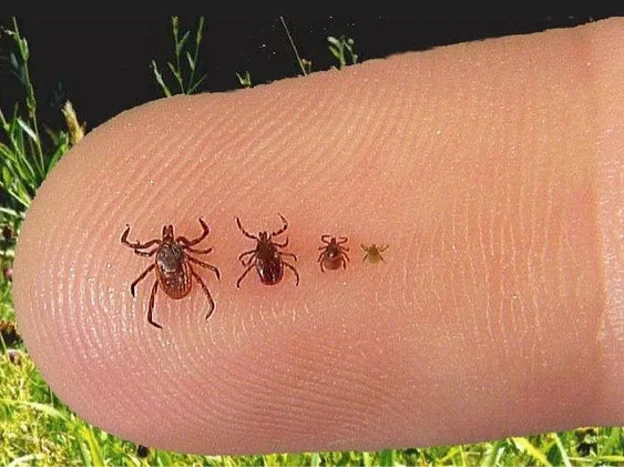
ANSWER: DEET, or N,N-diethyl-m-toluamide, has been controversial for decades. It was developed by the U.S. military shortly after World War II to protect troops from dengue, malaria and other tropical diseases carried by mosquitoes. In 1957, it was released on the consumer market. DEET is effective in repelling ticks as well as mosquitoes, so it can help protect youngsters from Lyme disease and Rocky Mountain spotted fever as well as West Nile virus.
Au fil des ans, quelques cas de réactions neurologiques chez de jeunes enfants ont été signalés (Human & Experimental Toxicology, janvier 2001). Les Centers for Disease Control and Prevention et l'Environmental Protection Agency affirment tous deux que le DEET est sans danger pour autant que les parents respectent les instructions figurant sur l'étiquette.
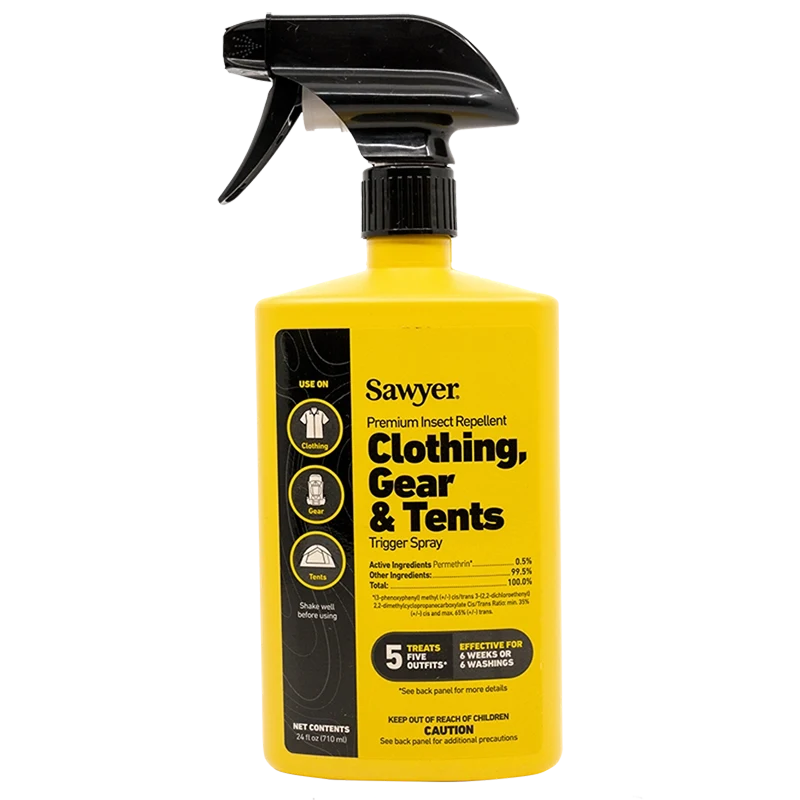
If you prefer to avoid DEET, there are effective alternatives. Pediatrician Alan Greene recommends picaridin-containing products, such as Natrapel and Sawyer, on his website DrGreene.com.
Products containing oil of lemon eucalyptus are also effective and considered safe for children. Consumer Reports suggests that adults should apply insect repellent to their own hands and then rub it on children’s exposed skin.


QUESTION: What mosquito repellents are safe for kids? I seem to remember that you have written about problems with DEET.
ANSWER: DEET, or N,N-diethyl-m-toluamide, has been controversial for decades. It was developed by the U.S. military shortly after World War II to protect troops from dengue, malaria and other tropical diseases carried by mosquitoes. In 1957, it was released on the consumer market. DEET is effective in repelling ticks as well as mosquitoes, so it can help protect youngsters from Lyme disease and Rocky Mountain spotted fever as well as West Nile virus.
Au fil des ans, quelques cas de réactions neurologiques chez de jeunes enfants ont été signalés (Human & Experimental Toxicology, janvier 2001). Les Centers for Disease Control and Prevention et l'Environmental Protection Agency affirment tous deux que le DEET est sans danger pour autant que les parents respectent les instructions figurant sur l'étiquette.
If you prefer to avoid DEET, there are effective alternatives. Pediatrician Alan Greene recommends picaridin-containing products, such as Natrapel and Sawyer, on his website DrGreene.com.
Products containing oil of lemon eucalyptus are also effective and considered safe for children. Consumer Reports suggests that adults should apply insect repellent to their own hands and then rub it on children’s exposed skin.
QUESTION: What mosquito repellents are safe for kids? I seem to remember that you have written about problems with DEET.
ANSWER: DEET, or N,N-diethyl-m-toluamide, has been controversial for decades. It was developed by the U.S. military shortly after World War II to protect troops from dengue, malaria and other tropical diseases carried by mosquitoes. In 1957, it was released on the consumer market. DEET is effective in repelling ticks as well as mosquitoes, so it can help protect youngsters from Lyme disease and Rocky Mountain spotted fever as well as West Nile virus.
Au fil des ans, quelques cas de réactions neurologiques chez de jeunes enfants ont été signalés (Human & Experimental Toxicology, janvier 2001). Les Centers for Disease Control and Prevention et l'Environmental Protection Agency affirment tous deux que le DEET est sans danger pour autant que les parents respectent les instructions figurant sur l'étiquette.
If you prefer to avoid DEET, there are effective alternatives. Pediatrician Alan Greene recommends picaridin-containing products, such as Natrapel and Sawyer, on his website DrGreene.com.
Products containing oil of lemon eucalyptus are also effective and considered safe for children. Consumer Reports suggests that adults should apply insect repellent to their own hands and then rub it on children’s exposed skin.
Plus qu'une entreprise de plein air.

