








Suivez-nous sur Instagram
Plus qu'une entreprise de plein air.

@sawyerproducts
Follow us on Instagram







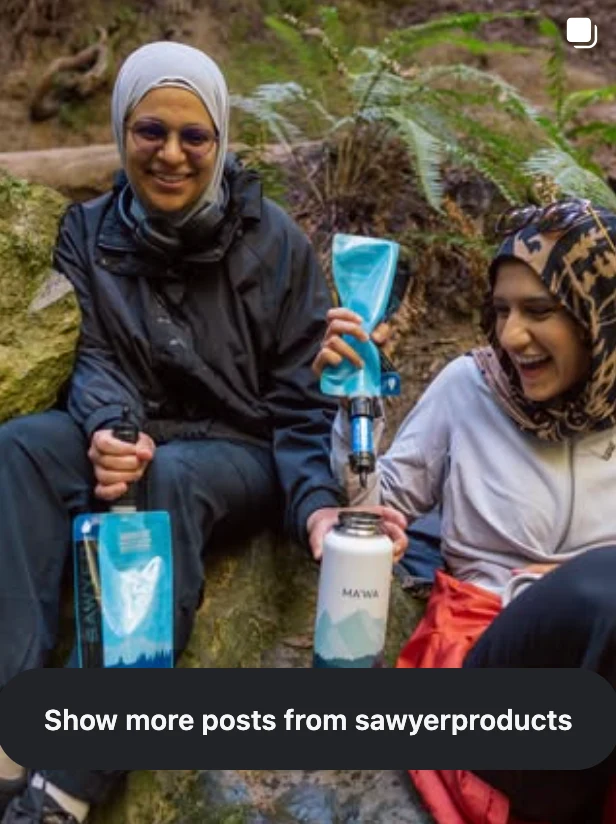

I think we can all agree that the time we spend hiking and the feeling of joy when we achieve something as huge as completing a thru-hike is a part of...
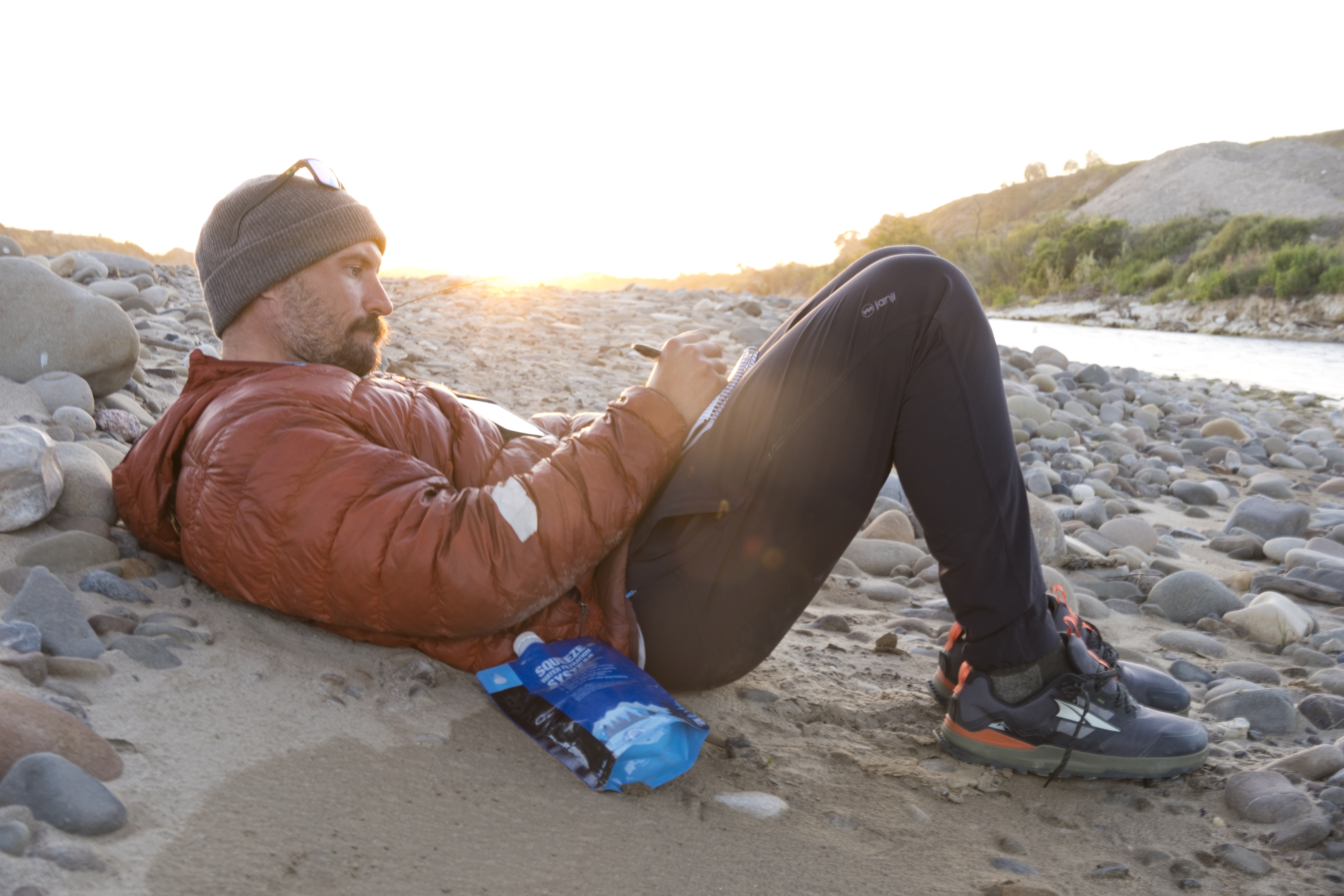
Watch videoI completed my first thru-hike in 2003… and haven’t stopped since. Depending on what criteria you use to define thru-hiking, I’ve completed at least 15—including being the only woman to complete the Triple Crown three times.
I think we can all agree that the time we spend hiking and the feeling of joy when we achieve something as huge as completing a thru-hike is a part of why we do it. But there’s a flip-side to this that is seldom discussed.
That’s the period of blues or depression that frequently follows the completion of a long journey. Earlier this month on the Gossamer Gear blog, several ambassadors shared their experiences with the post-hike depression that often follows a thru-hike.
As a repeat thru-hiker, one of the questions I get—asked one-on-one, quietly, and shyly—is if I still have post-hike depression. The answer is yes… and no. A depressive period following a huge endeavor is absolutely guaranteed, at least on a biological level. After months of your circadian rhythm being in sync with the sun, hours a day spent exercising, and unlimited fresh air and clean water, your body, hormones, and nervous systems are going to be upset by a transition to sitting on a couch indoors with artificial lights. I still experience this.
Find the full article written by Heather “Anish” Anderson here.


I completed my first thru-hike in 2003… and haven’t stopped since. Depending on what criteria you use to define thru-hiking, I’ve completed at least 15—including being the only woman to complete the Triple Crown three times.
I think we can all agree that the time we spend hiking and the feeling of joy when we achieve something as huge as completing a thru-hike is a part of why we do it. But there’s a flip-side to this that is seldom discussed.
That’s the period of blues or depression that frequently follows the completion of a long journey. Earlier this month on the Gossamer Gear blog, several ambassadors shared their experiences with the post-hike depression that often follows a thru-hike.
As a repeat thru-hiker, one of the questions I get—asked one-on-one, quietly, and shyly—is if I still have post-hike depression. The answer is yes… and no. A depressive period following a huge endeavor is absolutely guaranteed, at least on a biological level. After months of your circadian rhythm being in sync with the sun, hours a day spent exercising, and unlimited fresh air and clean water, your body, hormones, and nervous systems are going to be upset by a transition to sitting on a couch indoors with artificial lights. I still experience this.
Find the full article written by Heather “Anish” Anderson here.
I completed my first thru-hike in 2003… and haven’t stopped since. Depending on what criteria you use to define thru-hiking, I’ve completed at least 15—including being the only woman to complete the Triple Crown three times.
I think we can all agree that the time we spend hiking and the feeling of joy when we achieve something as huge as completing a thru-hike is a part of why we do it. But there’s a flip-side to this that is seldom discussed.
That’s the period of blues or depression that frequently follows the completion of a long journey. Earlier this month on the Gossamer Gear blog, several ambassadors shared their experiences with the post-hike depression that often follows a thru-hike.
As a repeat thru-hiker, one of the questions I get—asked one-on-one, quietly, and shyly—is if I still have post-hike depression. The answer is yes… and no. A depressive period following a huge endeavor is absolutely guaranteed, at least on a biological level. After months of your circadian rhythm being in sync with the sun, hours a day spent exercising, and unlimited fresh air and clean water, your body, hormones, and nervous systems are going to be upset by a transition to sitting on a couch indoors with artificial lights. I still experience this.
Find the full article written by Heather “Anish” Anderson here.
Plus qu'une entreprise de plein air.

