











Suivez-nous sur Instagram
Plus qu'une entreprise de plein air.

@sawyerproducts
Follow us on Instagram


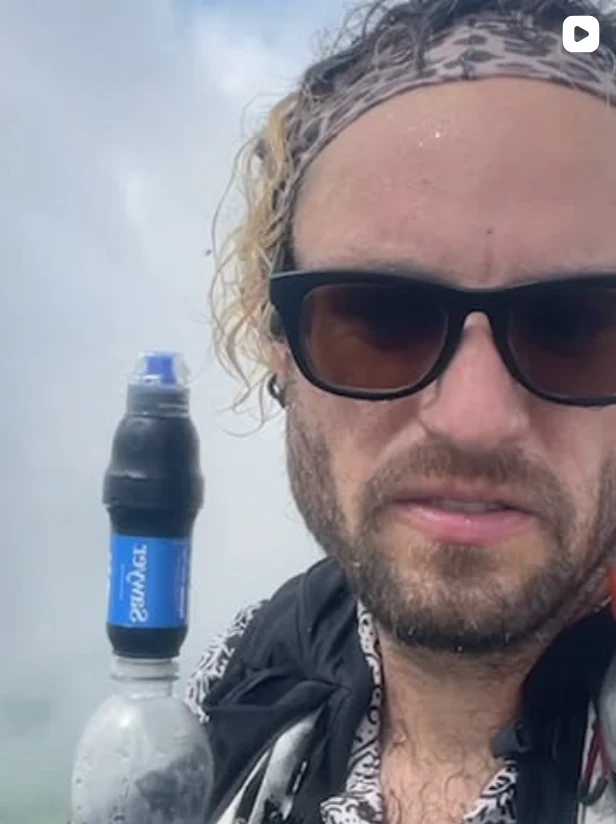







It’s easy to take precautions and significantly reduce your risk of infection. Here’s how to protect yourself.
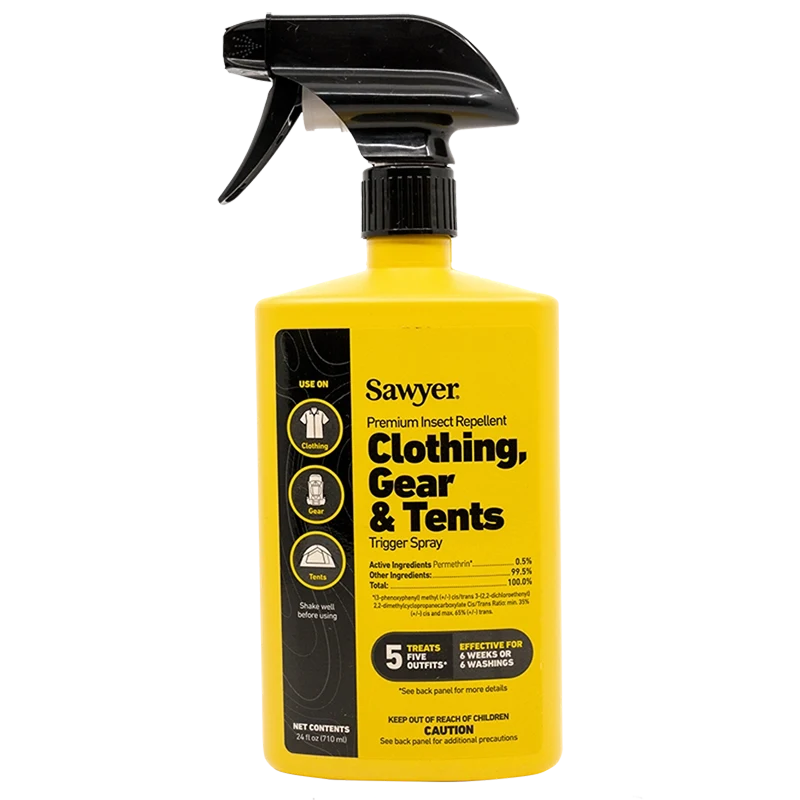
Watch videoMany people don’t know how to protect themselves from insect bites, despite the toll of Lyme, dengue, West Nile, and other infections. A 2016 survey found that almost a quarter of adults in the US could not identify even a single active ingredient in insect repellents. Even worse, 82% believed that some products were protective despite the evidence. Citronella was the most common chemical mistakenly thought to be effective. More people know they need to apply sunscreen compared to insect repellents.
It’s easy to take precautions and significantly reduce your risk of infection. Here’s how to protect yourself.
Mosquitoes are attracted to us by chemicals produced as we sweat—lactic acid and 1-octen-3-ol—and carbon dioxide. More recent studies show that Aedes aegypti is also drawn to decanal and undecanal. These are chemicals in our sebum, an oily material secreted by our skin’s sebaceous glands. Another study found carboxylic acid in our skin to be an important attractant. These are important findings because they may lead to better insect repellents.
Continue reading the full article written by Judy Stone here.


Many people don’t know how to protect themselves from insect bites, despite the toll of Lyme, dengue, West Nile, and other infections. A 2016 survey found that almost a quarter of adults in the US could not identify even a single active ingredient in insect repellents. Even worse, 82% believed that some products were protective despite the evidence. Citronella was the most common chemical mistakenly thought to be effective. More people know they need to apply sunscreen compared to insect repellents.
It’s easy to take precautions and significantly reduce your risk of infection. Here’s how to protect yourself.
Mosquitoes are attracted to us by chemicals produced as we sweat—lactic acid and 1-octen-3-ol—and carbon dioxide. More recent studies show that Aedes aegypti is also drawn to decanal and undecanal. These are chemicals in our sebum, an oily material secreted by our skin’s sebaceous glands. Another study found carboxylic acid in our skin to be an important attractant. These are important findings because they may lead to better insect repellents.
Continue reading the full article written by Judy Stone here.
Many people don’t know how to protect themselves from insect bites, despite the toll of Lyme, dengue, West Nile, and other infections. A 2016 survey found that almost a quarter of adults in the US could not identify even a single active ingredient in insect repellents. Even worse, 82% believed that some products were protective despite the evidence. Citronella was the most common chemical mistakenly thought to be effective. More people know they need to apply sunscreen compared to insect repellents.
It’s easy to take precautions and significantly reduce your risk of infection. Here’s how to protect yourself.
Mosquitoes are attracted to us by chemicals produced as we sweat—lactic acid and 1-octen-3-ol—and carbon dioxide. More recent studies show that Aedes aegypti is also drawn to decanal and undecanal. These are chemicals in our sebum, an oily material secreted by our skin’s sebaceous glands. Another study found carboxylic acid in our skin to be an important attractant. These are important findings because they may lead to better insect repellents.
Continue reading the full article written by Judy Stone here.
Plus qu'une entreprise de plein air.

