










Suivez-nous sur Instagram
Plus qu'une entreprise de plein air.

@sawyerproducts
Follow us on Instagram












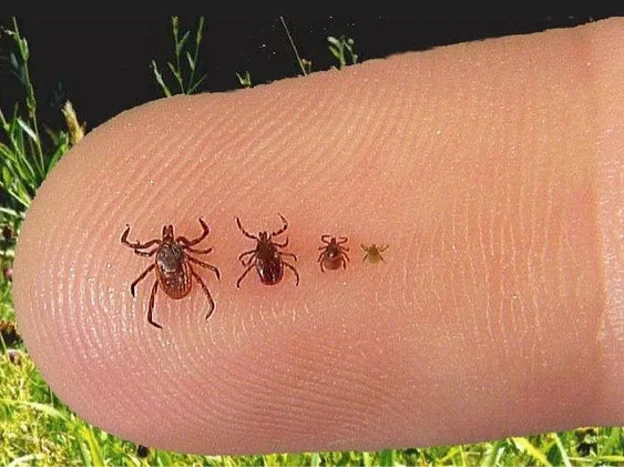
I grew up in rural Oklahoma, where we had one neighbor over the hill, a nearby fishing pond, and beautiful scenery. Long story short: I was always — and still love to be — outside. That means I’m no stranger to one of the most dreaded insects: ticks. While not every tick bite carries disease, cases of tick-borne illnesses have more than doubled since 2000, according to the Centers for Disease Control and Prevention (CDC), including Lyme disease, babesiosis, and Rocky Mountain spotted fever, among others.
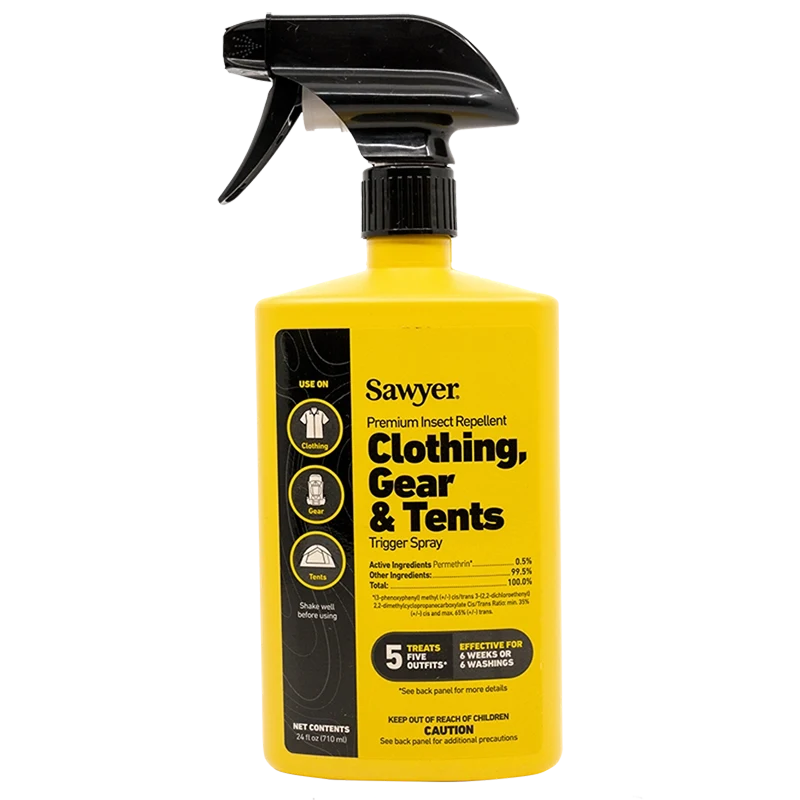
Kseniya Kobets, MD, director of cosmetic dermatology at Montefiore Einstein Advanced Care in New York, says that when it comes to choosing a tick repellent, it’s paramount to look for products containing ingredients approved by the Environmental Protection Agency (EPA) and the CDC. “EPA registration attests that repellents are tested for safety and effectiveness and their effect on the environment,” she says. “The CDC only recommends ingredients shown to decrease disease transmission, which is important for preventing tick-borne illnesses like Lyme. Unapproved products may be ineffective or cause irritation.”
Continue reading to learn more about protecting yourself against ticks, written by Katrina Cossey.

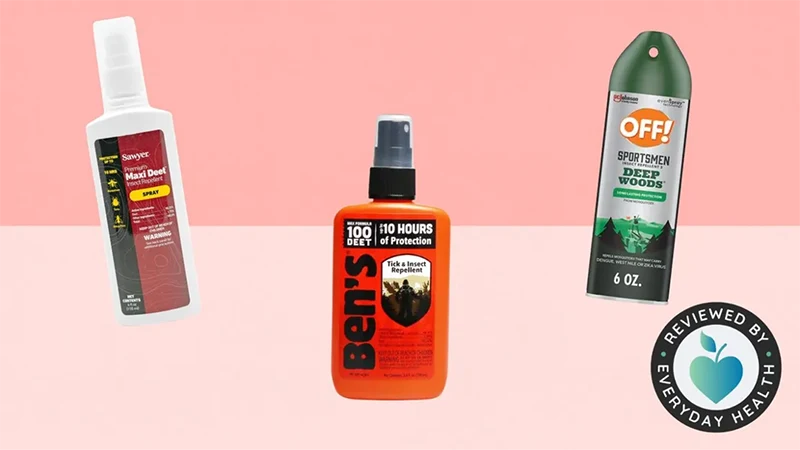
I grew up in rural Oklahoma, where we had one neighbor over the hill, a nearby fishing pond, and beautiful scenery. Long story short: I was always — and still love to be — outside. That means I’m no stranger to one of the most dreaded insects: ticks. While not every tick bite carries disease, cases of tick-borne illnesses have more than doubled since 2000, according to the Centers for Disease Control and Prevention (CDC), including Lyme disease, babesiosis, and Rocky Mountain spotted fever, among others.
Kseniya Kobets, MD, director of cosmetic dermatology at Montefiore Einstein Advanced Care in New York, says that when it comes to choosing a tick repellent, it’s paramount to look for products containing ingredients approved by the Environmental Protection Agency (EPA) and the CDC. “EPA registration attests that repellents are tested for safety and effectiveness and their effect on the environment,” she says. “The CDC only recommends ingredients shown to decrease disease transmission, which is important for preventing tick-borne illnesses like Lyme. Unapproved products may be ineffective or cause irritation.”
Continue reading to learn more about protecting yourself against ticks, written by Katrina Cossey.
I grew up in rural Oklahoma, where we had one neighbor over the hill, a nearby fishing pond, and beautiful scenery. Long story short: I was always — and still love to be — outside. That means I’m no stranger to one of the most dreaded insects: ticks. While not every tick bite carries disease, cases of tick-borne illnesses have more than doubled since 2000, according to the Centers for Disease Control and Prevention (CDC), including Lyme disease, babesiosis, and Rocky Mountain spotted fever, among others.
Kseniya Kobets, MD, director of cosmetic dermatology at Montefiore Einstein Advanced Care in New York, says that when it comes to choosing a tick repellent, it’s paramount to look for products containing ingredients approved by the Environmental Protection Agency (EPA) and the CDC. “EPA registration attests that repellents are tested for safety and effectiveness and their effect on the environment,” she says. “The CDC only recommends ingredients shown to decrease disease transmission, which is important for preventing tick-borne illnesses like Lyme. Unapproved products may be ineffective or cause irritation.”
Continue reading to learn more about protecting yourself against ticks, written by Katrina Cossey.
Plus qu'une entreprise de plein air.

