







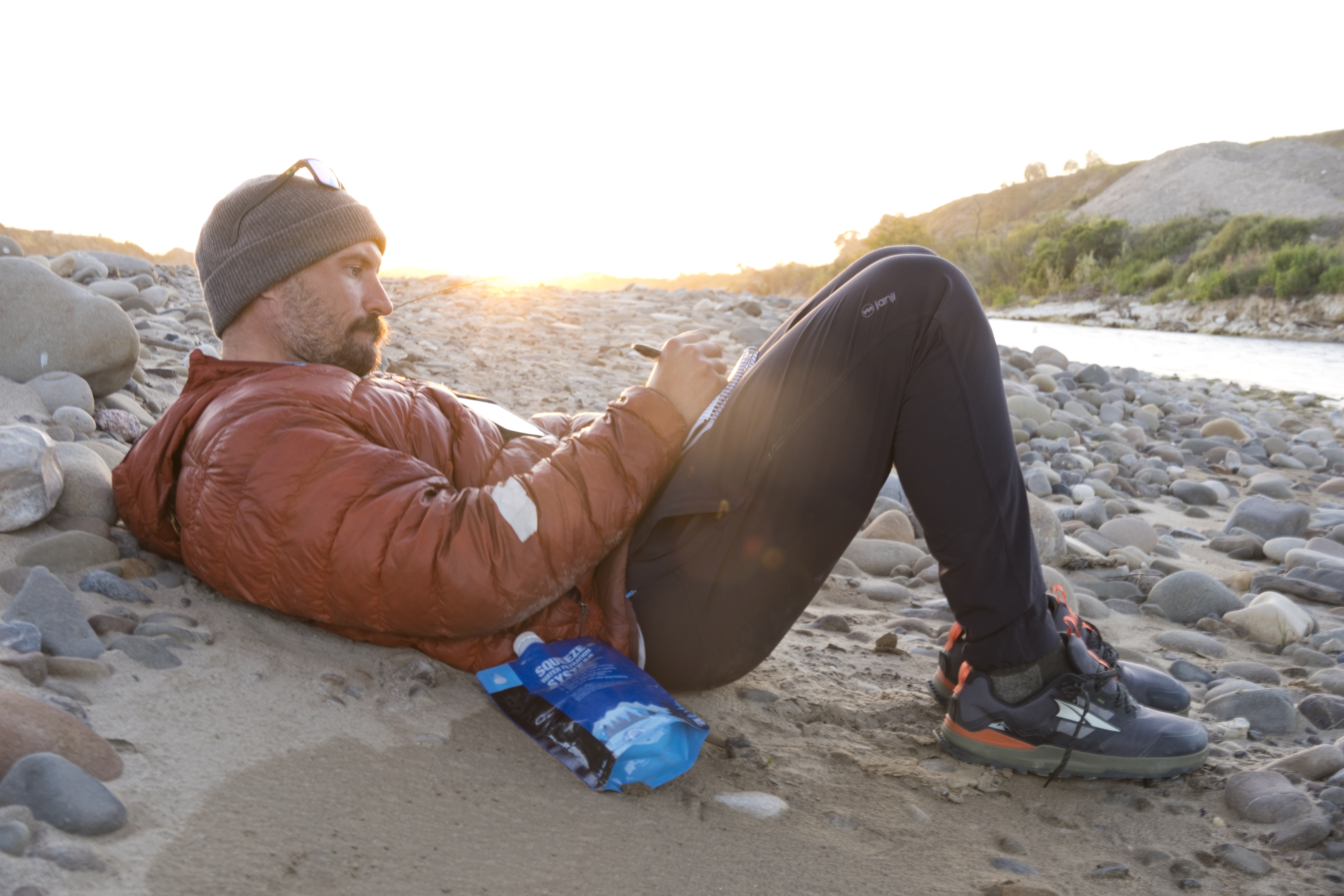
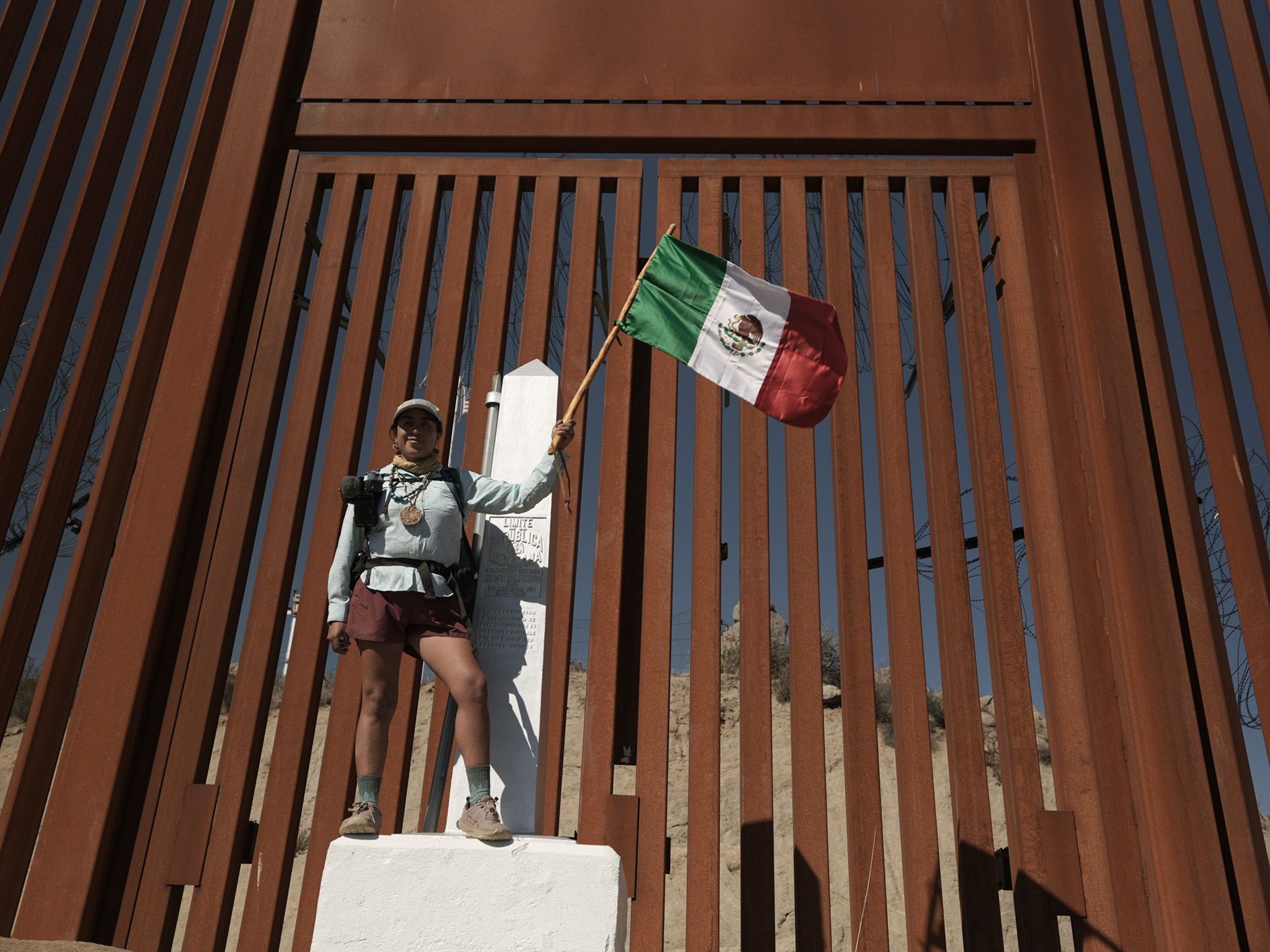
Suivez-nous sur Instagram
Plus qu'une entreprise de plein air.

@sawyerproducts
Follow us on Instagram

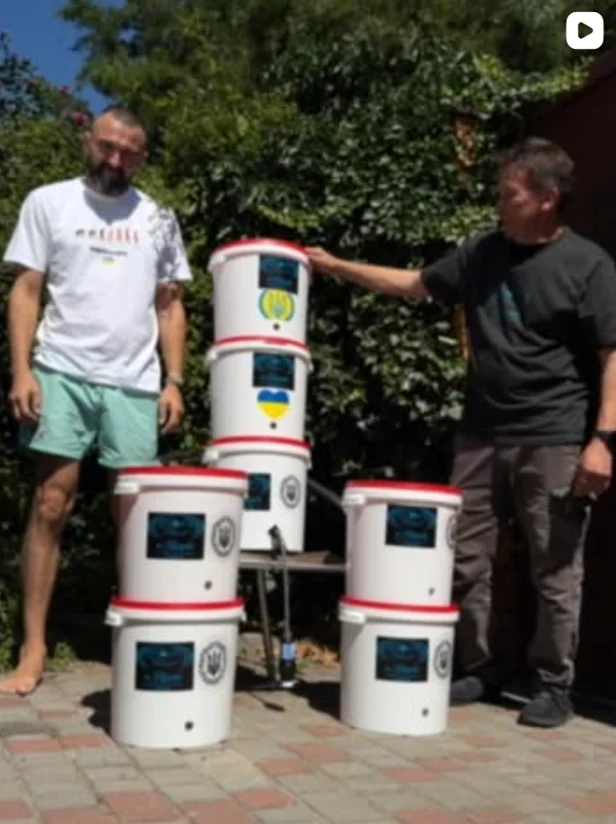
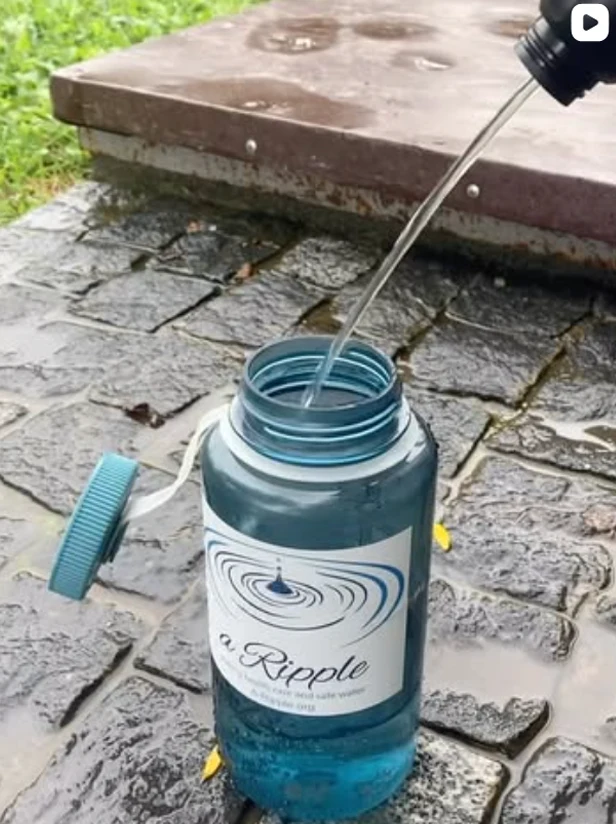



To ensure your first backpacking experience is safe and enjoyable, we talked to experts to find out everything you need to know and bring when going back
Watch videoFollowing a comprehensive guide to backcountry camping is one of the safest ways for a beginner to get from sitting on their couch to backpacking through the wilderness. Otherwise, you risk venturing into the wild without a plan or the right outdoor gear, which could spoil your trip — or worse.
To ensure your first backpacking experience is safe and enjoyable, we talked to experts to find out everything you need to know and bring when going backcountry camping.
Les campings de l'arrière-pays sont plus naturels et ne peuvent accueillir qu'un très petit nombre de campeurs. Ils sont dépourvus d'installations publiques comme les toilettes et les douches, mais ceux qui sont prêts à travailler pour les atteindre sont récompensés par une douce solitude. Et ce "travail" ne nécessite pas forcément des heures de marche. De nombreux campings de l'arrière-pays ne sont qu'à 5 ou 15 minutes de marche de la voiture. Mais si vous aimez le son d'une randonnée dans les bois, il y a d'innombrables sentiers et sites à explorer si vous êtes prêt à laisser votre voiture derrière vous et à attacher tout ce dont vous avez besoin sur votre dos.
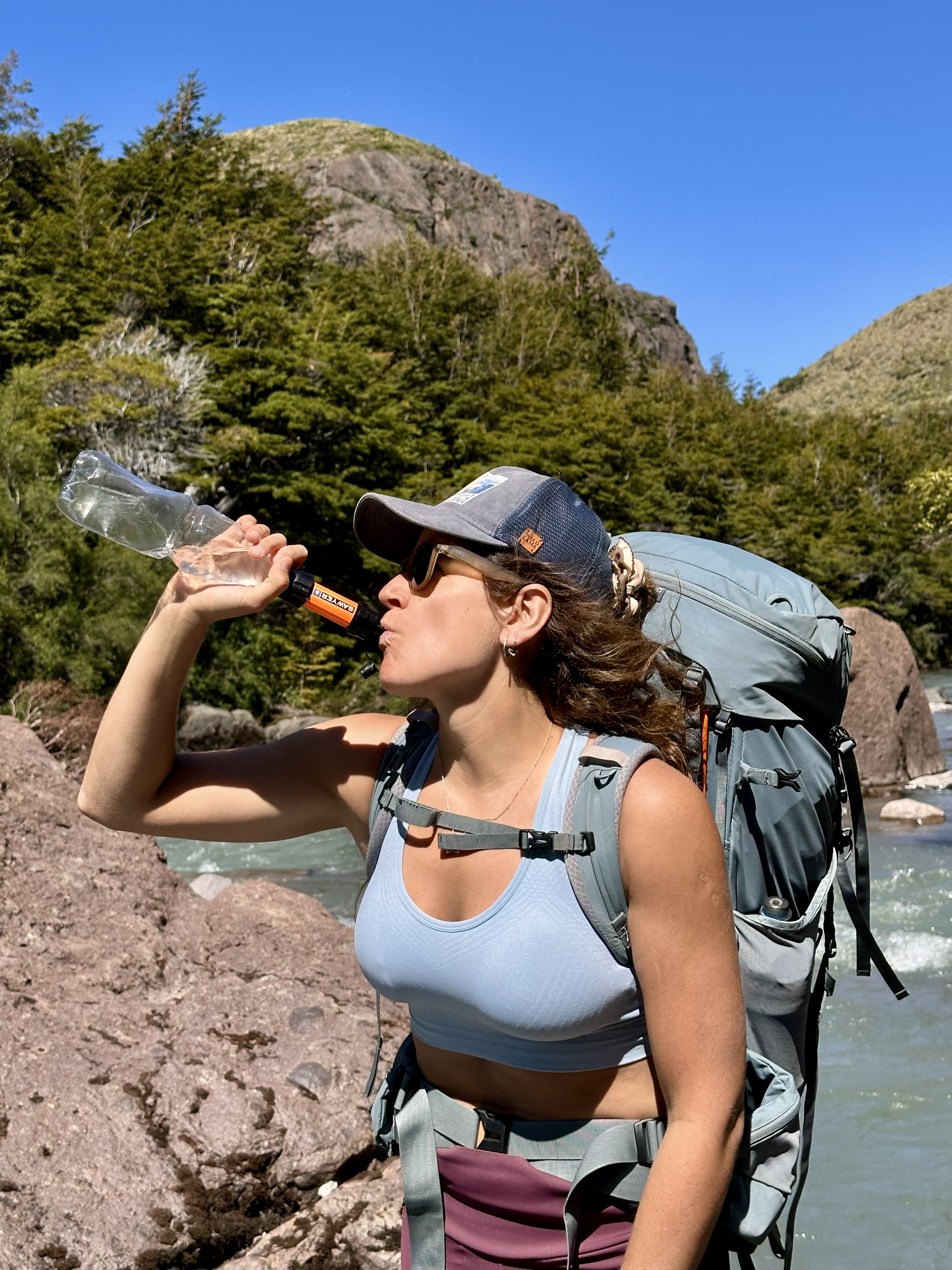
“Backpacking allows you to cover significantly more ground than day-hiking, so I highly recommend backpacking to anyone who wants to see more beautiful sights,” says Ashleigh McClary, a Gearhead at Backcountry. However, it does take more planning than traditional car camping, as you’ll need to figure out where you’re going and what to bring. “You should try to make sure to have a balance of everything you need and nothing extra that you don’t need,” McClary says. “New backpackers often bring too much on their trips and get weighed down with heavy gear.”
Continue reading the full article written By Matt Haines, Kai Burkhardt and Maxwell Shukuya here.


Following a comprehensive guide to backcountry camping is one of the safest ways for a beginner to get from sitting on their couch to backpacking through the wilderness. Otherwise, you risk venturing into the wild without a plan or the right outdoor gear, which could spoil your trip — or worse.
To ensure your first backpacking experience is safe and enjoyable, we talked to experts to find out everything you need to know and bring when going backcountry camping.
Les campings de l'arrière-pays sont plus naturels et ne peuvent accueillir qu'un très petit nombre de campeurs. Ils sont dépourvus d'installations publiques comme les toilettes et les douches, mais ceux qui sont prêts à travailler pour les atteindre sont récompensés par une douce solitude. Et ce "travail" ne nécessite pas forcément des heures de marche. De nombreux campings de l'arrière-pays ne sont qu'à 5 ou 15 minutes de marche de la voiture. Mais si vous aimez le son d'une randonnée dans les bois, il y a d'innombrables sentiers et sites à explorer si vous êtes prêt à laisser votre voiture derrière vous et à attacher tout ce dont vous avez besoin sur votre dos.
“Backpacking allows you to cover significantly more ground than day-hiking, so I highly recommend backpacking to anyone who wants to see more beautiful sights,” says Ashleigh McClary, a Gearhead at Backcountry. However, it does take more planning than traditional car camping, as you’ll need to figure out where you’re going and what to bring. “You should try to make sure to have a balance of everything you need and nothing extra that you don’t need,” McClary says. “New backpackers often bring too much on their trips and get weighed down with heavy gear.”
Continue reading the full article written By Matt Haines, Kai Burkhardt and Maxwell Shukuya here.
Following a comprehensive guide to backcountry camping is one of the safest ways for a beginner to get from sitting on their couch to backpacking through the wilderness. Otherwise, you risk venturing into the wild without a plan or the right outdoor gear, which could spoil your trip — or worse.
To ensure your first backpacking experience is safe and enjoyable, we talked to experts to find out everything you need to know and bring when going backcountry camping.
Les campings de l'arrière-pays sont plus naturels et ne peuvent accueillir qu'un très petit nombre de campeurs. Ils sont dépourvus d'installations publiques comme les toilettes et les douches, mais ceux qui sont prêts à travailler pour les atteindre sont récompensés par une douce solitude. Et ce "travail" ne nécessite pas forcément des heures de marche. De nombreux campings de l'arrière-pays ne sont qu'à 5 ou 15 minutes de marche de la voiture. Mais si vous aimez le son d'une randonnée dans les bois, il y a d'innombrables sentiers et sites à explorer si vous êtes prêt à laisser votre voiture derrière vous et à attacher tout ce dont vous avez besoin sur votre dos.
“Backpacking allows you to cover significantly more ground than day-hiking, so I highly recommend backpacking to anyone who wants to see more beautiful sights,” says Ashleigh McClary, a Gearhead at Backcountry. However, it does take more planning than traditional car camping, as you’ll need to figure out where you’re going and what to bring. “You should try to make sure to have a balance of everything you need and nothing extra that you don’t need,” McClary says. “New backpackers often bring too much on their trips and get weighed down with heavy gear.”
Continue reading the full article written By Matt Haines, Kai Burkhardt and Maxwell Shukuya here.
Plus qu'une entreprise de plein air.

