











Suivez-nous sur Instagram
Plus qu'une entreprise de plein air.

@sawyerproducts
Follow us on Instagram
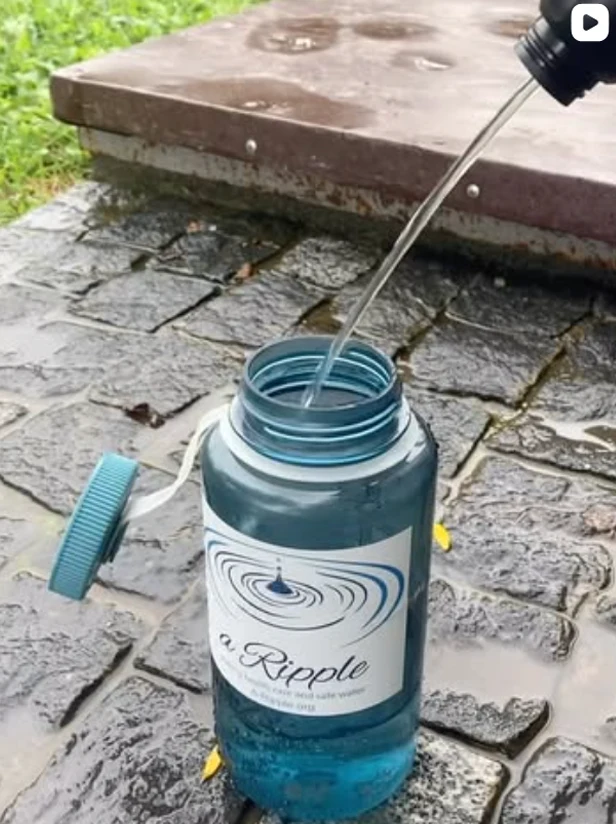









Prévalence de la diarrhée dans un essai prospectif randomisé et contrôlé de filtres à eau au point d'utilisation dans les foyers et les écoles en République dominicaine
Watch videoLe manque d'accès durable à l'eau potable continue d'être un problème d'une importance capitale au niveau mondial, entraînant des millions de décès évitables chaque année. Les meilleures pratiques pour fournir un accès durable à l'eau potable ne sont toutefois pas encore claires. L'installation généralisée de systèmes de filtration de l'eau à domicile, peu coûteux et au point d'utilisation, est une stratégie prometteuse.
We conducted a prospective, randomized, controlled trial whereby 16 villages were selected and randomly assigned to one of four treatment arms based on the installation location of Sawyer® PointONE™ filters (filter in both home and school; filter in home only; filter in school only; control group). Water samples and self-reported information on diarrhea were collected at multiple times throughout the study.
Self-reported household prevalence of diarrhea decreased from 25.6 to 9.76% from installation to follow-up (at least 7 days, and up to 200 days post-filter installation). These declines were also observed in diarrhea with economic or educational consequences (diarrhea which led to medical treatment and/or missing school or work) with baseline prevalence of 9.64% declining to 1.57%. Decreases in diarrhea prevalence were observed across age groups. There was no evidence of a loss of efficacy of filters up to 200 days post-filter installation. Installation of filters in schools was not associated with decreases in diarrhea prevalence in school-aged children or family members. Unfiltered water samples both at schools and homes contained potential waterborne bacterial pathogens, dissolved heavy metals and metals associated with particulates. All dissolved metals were detected at levels below World Health Organization action guidelines.
This controlled trial provides strong evidence of the effectiveness of point-of-use, hollow fiber membrane filters at reducing diarrhea from bacterial sources up to 200 days post-installation when installed in homes. No statistically significant reduction in diarrhea was found when filters were installed in schools. Further research is needed in order to explore filter efficacy and utilization after 200 days post-installation.
ClinicalTrials.gov, NCT03972618. Registered 3 June 2019—retrospectively registered.
Tintle, N., Van De Griend, K., Ulrich, R. et al. Diarrhea prevalence in a randomized, controlled prospective trial of point-of-use water filters in homes and schools in the Dominican Republic. Trop Med Health 49, 1 (2021). https://doi.org/10.1186/s41182-020-00291-y
To find the complete study, head here.


Le manque d'accès durable à l'eau potable continue d'être un problème d'une importance capitale au niveau mondial, entraînant des millions de décès évitables chaque année. Les meilleures pratiques pour fournir un accès durable à l'eau potable ne sont toutefois pas encore claires. L'installation généralisée de systèmes de filtration de l'eau à domicile, peu coûteux et au point d'utilisation, est une stratégie prometteuse.
We conducted a prospective, randomized, controlled trial whereby 16 villages were selected and randomly assigned to one of four treatment arms based on the installation location of Sawyer® PointONE™ filters (filter in both home and school; filter in home only; filter in school only; control group). Water samples and self-reported information on diarrhea were collected at multiple times throughout the study.
Self-reported household prevalence of diarrhea decreased from 25.6 to 9.76% from installation to follow-up (at least 7 days, and up to 200 days post-filter installation). These declines were also observed in diarrhea with economic or educational consequences (diarrhea which led to medical treatment and/or missing school or work) with baseline prevalence of 9.64% declining to 1.57%. Decreases in diarrhea prevalence were observed across age groups. There was no evidence of a loss of efficacy of filters up to 200 days post-filter installation. Installation of filters in schools was not associated with decreases in diarrhea prevalence in school-aged children or family members. Unfiltered water samples both at schools and homes contained potential waterborne bacterial pathogens, dissolved heavy metals and metals associated with particulates. All dissolved metals were detected at levels below World Health Organization action guidelines.
This controlled trial provides strong evidence of the effectiveness of point-of-use, hollow fiber membrane filters at reducing diarrhea from bacterial sources up to 200 days post-installation when installed in homes. No statistically significant reduction in diarrhea was found when filters were installed in schools. Further research is needed in order to explore filter efficacy and utilization after 200 days post-installation.
ClinicalTrials.gov, NCT03972618. Registered 3 June 2019—retrospectively registered.
Tintle, N., Van De Griend, K., Ulrich, R. et al. Diarrhea prevalence in a randomized, controlled prospective trial of point-of-use water filters in homes and schools in the Dominican Republic. Trop Med Health 49, 1 (2021). https://doi.org/10.1186/s41182-020-00291-y
To find the complete study, head here.
Le manque d'accès durable à l'eau potable continue d'être un problème d'une importance capitale au niveau mondial, entraînant des millions de décès évitables chaque année. Les meilleures pratiques pour fournir un accès durable à l'eau potable ne sont toutefois pas encore claires. L'installation généralisée de systèmes de filtration de l'eau à domicile, peu coûteux et au point d'utilisation, est une stratégie prometteuse.
We conducted a prospective, randomized, controlled trial whereby 16 villages were selected and randomly assigned to one of four treatment arms based on the installation location of Sawyer® PointONE™ filters (filter in both home and school; filter in home only; filter in school only; control group). Water samples and self-reported information on diarrhea were collected at multiple times throughout the study.
Self-reported household prevalence of diarrhea decreased from 25.6 to 9.76% from installation to follow-up (at least 7 days, and up to 200 days post-filter installation). These declines were also observed in diarrhea with economic or educational consequences (diarrhea which led to medical treatment and/or missing school or work) with baseline prevalence of 9.64% declining to 1.57%. Decreases in diarrhea prevalence were observed across age groups. There was no evidence of a loss of efficacy of filters up to 200 days post-filter installation. Installation of filters in schools was not associated with decreases in diarrhea prevalence in school-aged children or family members. Unfiltered water samples both at schools and homes contained potential waterborne bacterial pathogens, dissolved heavy metals and metals associated with particulates. All dissolved metals were detected at levels below World Health Organization action guidelines.
This controlled trial provides strong evidence of the effectiveness of point-of-use, hollow fiber membrane filters at reducing diarrhea from bacterial sources up to 200 days post-installation when installed in homes. No statistically significant reduction in diarrhea was found when filters were installed in schools. Further research is needed in order to explore filter efficacy and utilization after 200 days post-installation.
ClinicalTrials.gov, NCT03972618. Registered 3 June 2019—retrospectively registered.
Tintle, N., Van De Griend, K., Ulrich, R. et al. Diarrhea prevalence in a randomized, controlled prospective trial of point-of-use water filters in homes and schools in the Dominican Republic. Trop Med Health 49, 1 (2021). https://doi.org/10.1186/s41182-020-00291-y
To find the complete study, head here.
Plus qu'une entreprise de plein air.

