
















Suivez-nous sur Instagram
Plus qu'une entreprise de plein air.

@sawyerproducts
Follow us on Instagram












Although cases of tickborne babesiosis have been diagnosed in the U.S. since 1966, this disease only became nationally notifiable in 2011.
Watch videoAlthough cases of tickborne babesiosis have been diagnosed in the U.S. since 1966, this disease only became nationally notifiable in 2011. A report of the first five years of babesiosis surveillance from the Centers for Disease Control and Prevention (CDC) shows an alarming increase in incidence.
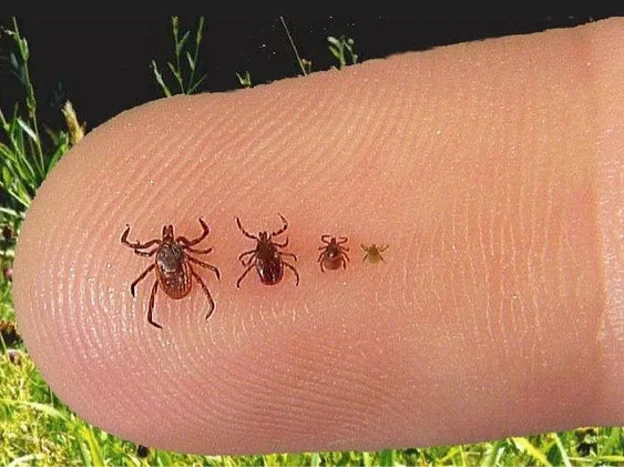
Babesia is a genus of intracellular parasites that infects red blood cells (RBCs) (see Figure 1A). Infection is similar in structure and pathogenesis to malaria-causing Plasmodium parasites. However, Plasmodium is spread primarily by mosquitoes and is not endemic in the U.S., while Babesia most commonly is spread by Ixodes scapularis ticks (see Figure 1B) with transmission in many states (see Figure 2).
See the full article by Julia C. Haston, M.D., FAAP and Larry K. Pickering, M.D., FIDSA, FPIDS, FAAP here.


Although cases of tickborne babesiosis have been diagnosed in the U.S. since 1966, this disease only became nationally notifiable in 2011. A report of the first five years of babesiosis surveillance from the Centers for Disease Control and Prevention (CDC) shows an alarming increase in incidence.
Babesia is a genus of intracellular parasites that infects red blood cells (RBCs) (see Figure 1A). Infection is similar in structure and pathogenesis to malaria-causing Plasmodium parasites. However, Plasmodium is spread primarily by mosquitoes and is not endemic in the U.S., while Babesia most commonly is spread by Ixodes scapularis ticks (see Figure 1B) with transmission in many states (see Figure 2).
See the full article by Julia C. Haston, M.D., FAAP and Larry K. Pickering, M.D., FIDSA, FPIDS, FAAP here.
Although cases of tickborne babesiosis have been diagnosed in the U.S. since 1966, this disease only became nationally notifiable in 2011. A report of the first five years of babesiosis surveillance from the Centers for Disease Control and Prevention (CDC) shows an alarming increase in incidence.
Babesia is a genus of intracellular parasites that infects red blood cells (RBCs) (see Figure 1A). Infection is similar in structure and pathogenesis to malaria-causing Plasmodium parasites. However, Plasmodium is spread primarily by mosquitoes and is not endemic in the U.S., while Babesia most commonly is spread by Ixodes scapularis ticks (see Figure 1B) with transmission in many states (see Figure 2).
See the full article by Julia C. Haston, M.D., FAAP and Larry K. Pickering, M.D., FIDSA, FPIDS, FAAP here.
Plus qu'une entreprise de plein air.

